

5 Reasons Small Commercial Vehicles Are the Engine of Local Business
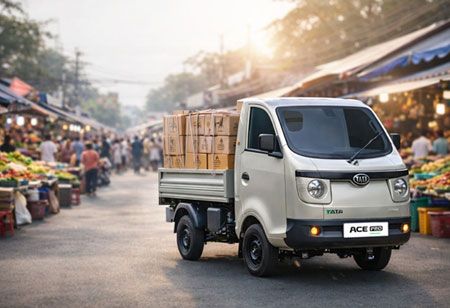 Why small commercial vehicles power more than just deliveries - they drive the progress of India’s local business landscape - from kirana stores to farm fields.
In every nook and cranny of India, commerce is a story in motion - and more often than not, it’s told from the driver’s seat of a small commercial vehicle. Forget the cliches of big trucks and mega-infrastructure; the true pulse of Indian enterprise is in these compact, resilient carriers of goods. From city lanes to the bylanes of small towns, they are the unsung partners in every business journey. Here are five reasons small commercial vehicles are where India’s local economy finds its best momentum - and why their story is anything but small.
1. Champions of Last-Mile Logistics
Hyperlocal is not just a buzzword - it’s a way of life. As digital commerce and doorstep delivery surge, small commercial vehicles (SCVs) have become the everyday champions that cut through congestion, squeeze into tight neighbourhoods, and get goods from vendor to consumer with remarkable speed. In 2024, India’s small commercial vehicle market crossed over ₹22,000 crore, thanks almost entirely to their ability to navigate the logistical labyrinth of Indian cities and ensure that businesses, big or small, reach their customers exactly where they are.
2. Opportunity Engines for Everyday Entrepreneurs
Every business dream starts small, and for millions in India, it starts on four wheels. Think kirana store owners upgrading to self-owned logistics, new-age cloud kitchen operators reaching hungry homes, or mobile vendors covering more ground. The Tata Ace - affectionately called “Chhota Haathi” - is a familiar sight on these journeys. Since its landmark launch in 2005, the Tata Ace has empowered entrepreneurs to scale, roam further, and invest in their growth with minimal risk. It’s become more than a vehicle; it’s a trusted companion for those bold enough to build from the ground up.
3. Built for Keeping Costs in Check - and the Planet Greener
Fuel price spikes are a fact of life, but for local businesses, small commercial vehicles offer vital relief: they are engineered for fuel efficiency, keeping operational costs in check when margins matter most. Today, with incentives for electric and alternative fuel models increasing, the next wave of SCVs is set to help Indian businesses go greener - cutting noise, emissions and monthly expenses.
4. Connecting India’s Urban Heartbeat to Rural Roots
Small commercial vehicles don’t recognize city limits. From bustling metros to rural mandis, they move with equal agility - bridging India’s wide economic spectrum. Whether it’s farmers bringing fresh produce to city markets or small manufacturers shipping across districts, these vehicles create new corridors of opportunity. Flexible loads, easy reversing and shorter turnarounds mean they make every mile count, connecting India’s diversity in real, tangible ways.
5. Tech-Enabled, Reliable and Future Ready
Not all progress is visible on the road. Small commercial vehicles are getting smarter, equipped with GPS, digital payments and fleet management tools, ensuring small businesses stay ahead of efficiency and reliability curves. Tata Motors’ extensive service network keeps breakdowns rare and journeys smooth, meaning owners spend less time in the garage and more time growing their business.
So next time you see a little truck hustling through traffic or parked at a busy corner, do keep in mind: it’s not just carrying goods - it’s carrying the ambition, resilience and hope of a million local stories. Small commercial vehicles aren’t just engines of transport; they’re engines of Indian progress.