

COP31 Advances Electrification as Groups Demand Mining Safeguards
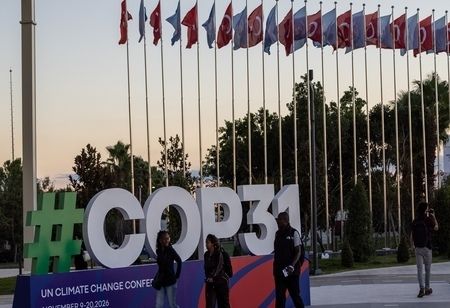
The president of the UN climate talks - referred to as COP31 - urged global leaders and climate activists to commit to clean public transportation, energy-efficient structures, and accessible energy as components of the global electrification strategy presented at the largest annual climate summit worldwide.
However, environmental and human rights groups warn that in the absence of robust protections, the surge in mining for the minerals and metals required to produce power lines, batteries, wind turbines, and other energy infrastructure that could fulfill the commitment may lead to significant environmental and human rights consequences worldwide.
Mining has caused significant harm to communities and ecosystems worldwide: Forests have been cleared, water sources contaminated, and Indigenous peoples have been deprived of their land. Rights organizations have encouraged COP31 leaders to concentrate on sourcing materials needed for the transition in an equitable manner.
Also Read: US, China Must Balance AI Cooperation and Rivalry, Says Bessent
Turkey stated that electrification will be a key focus during its co-presidency of COP31 alongside Australia. The global electrification commitment known as "35-by-35" seeks to boost electricity usage from 21 percent to 35 percent by 2035 in order to lower greenhouse gas emissions that contribute to global warming, ideally from renewable sources like solar and wind.
Also Read: IBM Ends US Visa, Green Card Sponsorship for Most Consulting Jobs
The commitment expands on agreements established at earlier UN climate conferences: At COP28, nations resolved to pursue tripling renewable energy capacity and moving away from fossil fuels. COP29 addressed energy storage, grid modernization, and climate financing.
"This shift integrates renewable energy, robust grids, storage capabilities, energy efficiency, clean transportation, and a sustainable industry." "Each aids the others," stated COP31 President Murat Kurum, who also serves as Turkey's environment minister.
Also Read: US Returns $12 Billion in Oil Proceeds to Venezuela
"We aim for individuals to experience the outcomes of climate discussions in their everyday lives: through energy-efficient buildings, accessible public transport, affordable energy, and newly created jobs," states Murat Kurum.