

Trump's Russia Diesel Deal: Global Energy & Geopolitical Impact
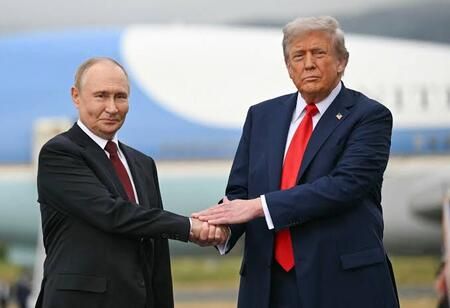
As Trump’s Russia diesel deal reshapes global energy markets and geopolitical relationships, governments and businesses are facing fuel supply disruptions, rising energy costs, and growing uncertainty over international trade and sanctions policy. The article highlights the impact of Russian diesel exports on global fuel prices, energy security, Western sanctions, and diplomatic relations, while exploring how the United States, Russia, Ukraine, and international markets are navigating the evolving energy landscape and balancing immediate economic needs with long-term geopolitical stability.
Global energy investment is projected to reach $3.4 trillion in 2026, according to the International Energy Agency’s World Energy Investment 2026 report. However, rising fuel prices, disrupted refining capacity and geopolitical tensions continue to challenge global energy security.
Against this backdrop, US President Donald Trump’s reported agreement to facilitate Russian diesel exports has brought energy security and international diplomacy into sharp focus. Announced in October 2026, the arrangement reportedly permits a temporary easing of certain US sanctions affecting Russian-origin diesel transactions.
Trump said Russia would supply an initial 300,000 metric tons, followed by 500,000 tons in November and another one million tons thereafter. Nevertheless, analysts caution that these shipments may provide limited relief because global supply constraints extend beyond the availability of any single exporter.
The agreement represents more than a commercial transaction. It highlights tensions between economic priorities and geopolitical commitments. Washington seeks to improve fuel availability and ease pressure on businesses and consumers, while Moscow gains potential revenue and diplomatic opportunities. Ukraine and its Western partners, however, may question whether easing restrictions weakens economic pressure on Russia amid the ongoing conflict.
Understanding the agreement requires examining its implications for fuel prices, international trade, sanctions and diplomatic relationships. Diesel remains essential to transportation, agriculture, construction and manufacturing, making its availability critical to economic activity and broader geopolitical stability.
1. The Trump–Russia Diesel Deal: A Shift in Global Energy Markets
The agreement emerged amid considerable pressure on diesel supplies. As an essential input for freight transportation, agriculture, construction and manufacturing, diesel influences operating costs throughout the economy. Sustained price increases can therefore raise consumer prices and intensify inflationary pressures.
According to reports, global diesel prices increased sharply amid the US-Israeli war involving Iran and disruptions affecting supplies from Russia and the Middle East. Combined disruptions to diesel exports from these regions reached approximately 1.3 million barrels per day in September, equivalent to around 4.5% of global diesel and gasoil demand. The International Energy Agency warned that shortages could persist into 2027.
Against this background, facilitating additional Russian exports represents a pragmatic attempt to increase available supplies. The US Treasury’s General License 135, issued on October 9, reportedly permitted certain transactions involving Russian-origin diesel until April 7, 2027. This limited authorization does not constitute a comprehensive lifting of sanctions.
Such distinctions matter because governments can introduce targeted exceptions when economic conditions threaten domestic stability. Nevertheless, Russia may struggle to supply all promised volumes without reducing domestic availability or redirecting existing exports.
The Geopolitical Monitor analysis suggests that the agreement’s political significance could exceed its immediate commercial impact. Moscow can demonstrate its continuing relevance to international energy security despite Western efforts to restrict its economic reach.
For global markets, the arrangement signals a more pragmatic approach to energy management. For policymakers, it raises an important question: how can governments address immediate shortages without compromising longer-term strategic objectives?
2. Oil, Sanctions and Power: The Geopolitical Stakes
Energy has long influenced international relations. Major producers can use oil and fuel exports to generate revenue, strengthen diplomatic relationships and influence markets. Import-dependent countries, meanwhile, remain vulnerable to disruptions, price volatility and decisions made by suppliers.
The Trump–Russia agreement illustrates these competing interests. Washington faces pressure to control fuel costs, while Moscow gains an opportunity to expand commercial activity and demonstrate that Western restrictions cannot completely eliminate its international market relevance.
For the United States, higher diesel prices affect trucking companies, farmers, manufacturers and retailers. Increased operating costs can ultimately raise prices for food, goods and services. Facilitating additional supplies may therefore offer economic and political benefits.
However, the arrangement creates tensions within US foreign policy. Washington has imposed sanctions to restrict Russian revenue and limit Moscow’s capacity to sustain its war against Ukraine. Temporarily relaxing selected restrictions may support domestic economic interests while raising questions about strategic consistency.
For Russia, even limited trade can provide diplomatic value. Negotiations with Washington offer Moscow an opportunity to portray energy cooperation as a practical necessity that can transcend political disagreements.
Nevertheless, the agreement should not be interpreted as a comprehensive normalization of US–Russia relations. Other restrictions remain relevant, and companies involved in shipping, financing, insurance and trading must assess their obligations under applicable sanctions regimes.
Consequently, the geopolitical impact depends not only on delivered volumes but also on implementation, possible extensions and any broader diplomatic advantages Russia receives.
The episode demonstrates how economic necessity can change the application of geopolitical policy without necessarily changing its underlying objectives. Governments must assess whether short-term commercial decisions support or undermine their long-term interests.
Also Read: The Next Phase of U.S. AI Leadership: From Innovation to Responsibility
3. Global Fuel Prices and Supply Chains: Assessing Market Impact
Despite its political importance, the agreement is unlikely to resolve global diesel shortages independently. The market is too large, and supply constraints too substantial, for the announced shipments to guarantee significant price reductions.
Reuters reported that the initial 300,000-metric-ton shipment represents approximately 2.25 million barrels of diesel. Michelle Brouhard of Kpler estimated that an additional 400,000 barrels per day would be needed to materially ease prices. Caspian Conran of Baringa estimated that approximately 850,000 additional barrels per day could be required for an immediate price softening. These estimates illustrate the scale of the challenge.
A large shipment differs from a sustained increase in daily supply. Individual cargoes may improve availability for particular buyers without correcting a persistent imbalance between supply and demand.
Several interconnected factors shape diesel prices.
First, refining capacity remains constrained. Crude oil must be processed into usable fuels, meaning that access to crude does not automatically guarantee sufficient diesel. Reuters reported that attacks on Russian energy infrastructure had affected refining operations, limiting Moscow’s ability to increase exports quickly.
Second, transportation costs remain important. Higher freight rates, shipping security risks and concerns about sanctions can make additional supplies expensive to deliver. Increased export availability therefore does not necessarily translate into affordable fuel for importing markets.
Third, geographical distribution affects accessibility. Diesel available in one region cannot automatically resolve shortages elsewhere. Buyers require suitable shipping routes, insurance, commercial arrangements, ports and storage facilities. Redirecting cargoes may alter trade flows without increasing overall production.
Fourth, market expectations influence prices. Traders consider refinery output, inventories, geopolitical developments and potential future disruptions. If shortages are expected to persist, additional cargoes may have limited effects on longer-term pricing.
These constraints mean the agreement could benefit individual buyers without substantially reducing global prices.
Businesses should therefore avoid assuming that Russian supplies will deliver immediate relief. Airlines, logistics providers, agricultural enterprises, shipping companies and construction firms need to prepare for continued volatility and possible disruptions.
Corporate resilience requires diversified procurement, stronger supplier relationships, improved fuel efficiency and contingency planning. Dependence on a single diplomatic agreement cannot provide reliable protection against energy-market shocks.
Also Read: The Rising Cost of the Canada-US Trade War: Tariffs Reshaping Cross-Border Trade
4. Russia’s Energy Revenues and the Future of Western Sanctions
A central question concerns the financial consequences for Russia. Western sanctions seek, among other objectives, to restrict Moscow’s market access and reduce revenue available to support its war against Ukraine.
Permitting additional Russian diesel transactions creates a potential revenue channel, although the immediate benefit remains uncertain. The arrangement also demonstrates that restrictions can be adjusted when their economic costs become politically difficult to sustain.
According to the Geopolitical Monitor analysis, the initial shipment could generate approximately $400 million in sales. This remains an estimate, and the amount ultimately received by the Russian state would depend on taxes, production expenses and other commercial factors. The temporary licence does not remove the broader sanctions framework.
The larger issue is whether such exceptions change expectations about the durability of Western restrictions.
Sanctions are generally more effective when governments coordinate policies, businesses understand the rules and targeted actors cannot easily find alternative routes to market. Temporary exemptions can complicate these objectives when countries face different energy requirements and domestic political pressures.
However, one limited exemption does not automatically make sanctions ineffective. Restrictions may continue to constrain financing, investment, technology access and commercial relationships even when specific products can be traded through authorized channels.
Western governments therefore need to distinguish targeted economic relief from strategic retreat. Clear communication, measurable review criteria and transparent limits can help maintain policy credibility.
Policymakers should evaluate whether exemptions meaningfully improve market conditions and whether their economic benefits justify potential geopolitical costs.
For Russia, the agreement offers opportunities rather than guaranteed recovery. Damaged refining facilities, domestic requirements, transport expenses and export restrictions may limit the volumes available internationally. Sanctions relief cannot independently repair infrastructure or create a reliable surplus of finished fuel.
Commercial uncertainty also matters. Businesses may remain reluctant to invest in Russian-related trade if restrictions could change abruptly. Ultimately, sanctions policy must reconcile energy affordability with strategic consistency and a coherent long-term approach to energy security.
5. Energy Diplomacy and Ukraine: Redefining Global Alliances
The agreement extends beyond fuel prices and commercial transactions. It affects relations between Washington and Kyiv, the war in Ukraine and the wider coordination of Western policy towards Moscow.
Ukraine has targeted Russian oil refineries to weaken infrastructure supporting Russia’s military campaign. Disruptions can reduce export earnings, constrain domestic supplies and increase the costs of sustaining the conflict. The Geopolitical Monitor analysis identifies attacks on Russian energy infrastructure as an important element of economic pressure.
Facilitating Russian diesel exports consequently creates a strategic dilemma. Additional sales could relieve international shortages while providing revenue opportunities for Moscow as Ukraine seeks to restrict Russian energy income.
The consequences depend on trade volumes, sanctions enforcement and the broader diplomatic environment. Limited transactions do not necessarily reverse sanctions’ effects or determine the war’s outcome, but they may influence how Kyiv and other Western partners interpret Washington’s priorities.
Ukraine’s central concern is whether economic cooperation becomes detached from progress towards a durable peace. Easing restrictions without reciprocal commitments or verifiable changes in Russian conduct could suggest that immediate commercial interests are taking precedence over long-term security objectives.
Washington must therefore distinguish measures addressing urgent supply shortages from concessions that could weaken diplomatic leverage.
The agreement also raises questions about allied coordination. US authorization does not automatically remove restrictions imposed by European governments or other jurisdictions. Reuters noted that remaining Western sanctions continue to complicate shipping and commercial activity involving Russian fuel.
Differences between national policies can create trading opportunities while increasing compliance risks and undermining confidence in coordinated action. Allied governments must communicate clearly about exemptions and their relationship with existing restrictions.
More broadly, energy agreements cannot be separated from the conflicts and alliances in which they operate. Commercial cooperation may create negotiating opportunities, but it can also generate disagreements when partners assess economic and security priorities differently.
For European and Asian importers, the situation reinforces the importance of balancing affordable energy with geopolitical responsibility. Dependence on major suppliers can narrow diplomatic options, particularly when those suppliers are involved in international conflicts.
A durable strategy requires diversified supply, stronger international coordination and transparent criteria for evaluating energy-related concessions. Effective energy diplomacy must address immediate economic pressures without sacrificing strategic stability.
Also Read: What the $60 Billion US-China Tariff Deal Means for Global Trade
Conclusion: Balancing Energy Security with Geopolitical Stability
Trump’s Russia diesel deal highlights the complex relationship between energy markets, economic priorities and geopolitics. While it may improve fuel availability for some buyers, limited supplies, damaged refineries, transport costs and geopolitical risks are likely to restrict its impact on global diesel prices.
For Russia, the agreement offers potential revenue and renewed market access, while the United States must balance domestic energy needs with sanctions enforcement, allied cooperation and support for Ukraine.
Businesses should diversify suppliers, strengthen supply chains and prepare for price volatility. Governments should invest in refining capacity, strategic reserves, energy efficiency and resilient infrastructure.
Ultimately, the deal’s success depends on whether it improves energy security without undermining international cooperation or prospects for lasting peace in Ukraine. Effective leadership requires balancing immediate economic needs with long-term geopolitical stability.