

Food Labels Under Scanner: How India is Rethinking Food Safety

As food labeling rules evolve and the FSSAI steps up regulatory scrutiny, transparency and accountability are becoming increasingly important to consumer trust. From misleading “100%” claims and ingredient quality concerns to manufacturing violations and proposed front-of-pack warning labels, India’s food industry faces growing pressure to deliver on its promises. The article explores how food labels influence purchasing decisions, where marketing claims fall short, and why effective enforcement must go hand in hand with clear labeling to build a safer, more trustworthy food ecosystem.
For years, checking what’s inside a packet has meant turning it around and squinting at the nutrition panel to find the numbers for sugar, salt, and fat. But that familiar routine could soon get a lot simpler. India’s food-labeling rules have been revised several times and are once again under the spotlight. The Food Safety and Standards Authority of India (FSSAI) has proposed prominent front-of-pack labels for foods high in nutrients such as added sugar, saturated fat, and salt. The proposed red hexagonal warnings would make messages like “High Sugar,” “High Salt,” or “High Fat” hard to miss.
Yet food labels are no longer just about meeting regulatory requirements. They are becoming a quick window into what a brand stands for. Beyond ingredients and nutritional values, today’s labels increasingly tell consumers about allergens, sourcing, processing, and even environmental impact. As shoppers become more conscious of what they put on their plates, transparency is becoming an increasingly important ingredient in building trust.
Also Read: GoK to Conduct Food Safety Drive for Street Vendors
What Food Labels Really Mean: From Ingredients to Integrity
Transparency in food labeling means being clear about what goes into a product, where its ingredients come from, and whether its claims can be trusted. Consumers need straightforward information about ingredients, manufacturing processes, and sourcing to make informed choices. That starts with an honest ingredients list, without hidden additives or vague terms such as “natural flavoring” or “artificial coloring.”
The same applies to claims such as “organic,” “gluten-free,” or “sustainably sourced.” Brands should back these claims with credible certifications or independent verification. A USDA Organic label, for instance, confirms compliance with organic farming standards, while Fair Trade certification signals fair treatment and pay for workers. However, greenwashing can blur the line between genuine transparency and clever marketing. Products may promote themselves as “natural” or eco-friendly while offering little evidence to support those claims. In an increasingly conscious market, what a label promises must match what is actually inside the pack.
A Wake-Up Call for India’s Food Industry: FSSAI Tightens the Screws
India’s food and beverage industry is facing a wake-up call. The FSSAI, which oversees food safety from production to sale, has stepped up its scrutiny of businesses, including e-commerce platforms. Its inspections of warehouses have uncovered glaring lapses in basic hygiene and other essential food safety requirements, raising concerns about consumer health.
Food safety officials have been leaving little room for error, conducting rigorous inspections across different types of businesses. Here are some of the key enforcement measures taken by the authority so far:
From Broken Noodles to Bhujia: FSSAI Raises Red Flags
 A food safety raid in Rajasthan uncovered an unsettling practice at an instant noodles manufacturing facility: discarded, broken noodles found on the factory floor were allegedly being reused to prepare bhujia, a popular fried snack. What might have otherwise been treated as manufacturing waste became a food safety concern, with officials reporting that the damaged noodles had not undergone the necessary heat treatment to establish their safety for reuse.
The inspection uncovered more than just concerns over the handling of ingredients. Officials also flagged hygiene violations and suspected that certain bhujia varieties were being manufactured without the required permits. Adding to the list of concerns, the factory reportedly held 1,925 boxes of expired products.
Following the inspection, the brand was barred from manufacturing certain snacks. The findings serve as a reminder that food safety begins long before a product reaches supermarket shelves, making proper handling, hygiene, and regulatory compliance essential at every stage of production.
Too Little Hing, Too Much Starch?
 Hing is a staple in Indian kitchens, adding its distinctive aroma and flavour to everyday dishes.
But the quality of compounded asafoetida has come under scrutiny after the FSSAI directed two major spice companies to stop production, citing samples allegedly found to be substandard and in violation of the Food Safety and Standards (Food Products and Food Additives) Regulations, 2011.
Under food safety rules, compounded hing must contain a minimum amount of raw asafoetida to prevent dilution and maintain prescribed quality standards. In a notice issued to one brand, FSSAI reported that the Alcohol Soluble Extract (ASE) level was zero percent, falling short of the required minimum of five percent.
A second brand faced a different concern, with its samples allegedly containing excessive starch. The findings have put the spotlight on the importance of ingredient quality and compliance, even for spices that have long been trusted kitchen essentials.
What's Really on Your Plate? Looks like Paneer, but is it?
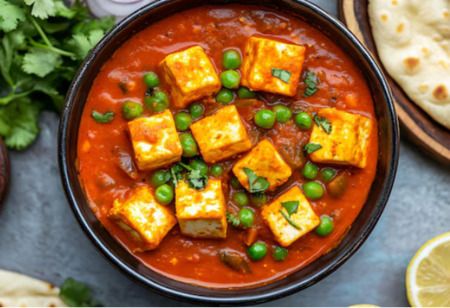 It looks like paneer, feels like paneer, but may contain no milk at all! Made using vegetable oils, starches, and emulsifiers, analogue paneer has faced growing scrutiny over the past two years, particularly over concerns that some food businesses sell it as authentic paneer. While these substitutes mimic paneer’s texture and appearance, their nutritional profiles can differ significantly.
Now, the FSSAI is stepping in. On September 22, it issued a draft amendment to the Food Safety and Standards Regulations, 2011, proposing to restrict the manufacture and sale of analogue products as paneer.
If approved, the amendment would prevent products licensed under “Analogue in Dairy Context”—which replace some or all milk constituents with non-dairy ingredients—from using the word paneer on their labels or in marketing. Lookalikes may stay, but the name could be off the menu.
FSSAI Challenges the “100%” Marketing Pitch
 “100% pure,” “100% natural,” and “100% tender” — Indian consumers have seen these promises splashed across food packaging time and again. Such claims can make a product seem like the obvious choice, particularly for shoppers looking for healthier or more natural options. However, when words do more selling than explaining, the line between persuasive marketing and misleading claims can become blurry.
Brands have often leaned on terms such as “organic” and “natural” without sufficient scrutiny of what those claims actually mean or whether they can be substantiated.
That is now drawing greater regulatory attention. The FSSAI directed a prominent brand to recall products carrying what it described as deceptive “100%” claims. Phrases such as “100% pure” or “100% tender” can be difficult to verify objectively and may give consumers an exaggerated impression of a product’s quality or health benefits.
After all, an impressive promise on a packet does not automatically make its contents better. As scrutiny of food labels increases, brands will need more than catchy slogans to win shoppers over — they will need credible claims that consumers can trust.
What's Inside the Pack? FSSAI Pushes for Clearer Warnings
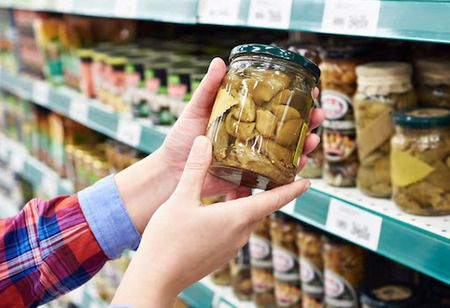 Choosing packaged food could soon become a little easier for Indian consumers. Instead of flipping every packet to decipher its nutrition table, shoppers may find prominent warning labels right on the front.
The proposal is part of a public interest lawsuit before the Supreme Court seeking front-of-pack labelling (FOPL) to help consumers make more informed food choices. In an affidavit submitted to the court, the FSSAI proposed red hexagonal labels against a white background for packaged foods containing salt, added sugar, or added fats above specified thresholds.
Under the proposed framework, a product would carry the warning if even one of these nutrients exceeded its prescribed limit. FSSAI has recommended a one-year transition period to give food businesses time to update their packaging. However, the Supreme Court has deferred its decision on the proposal, leaving its final implementation uncertain. If approved, the warnings could change how shoppers assess packaged foods and push brands to communicate nutritional information more clearly, turning the front of a packet into more than just a space for eye-catching claims.
Also Read: Karnataka Bans Food Licenses of Amazon, BigBasket, Others
E-Commerce Platforms Face Growing Food Safety Scrutiny
The convenience of ordering groceries with a few taps is facing a closer food safety check.
Five e-commerce and instant-delivery platforms have come under FSSAI scrutiny over allegedly misleading claims and non-compliant product information relating to dairy and date products.
This is not the regulator’s first intervention in the online food space. In July, following multiple consumer complaints, FSSAI issued nine notices to a quick-commerce app over allegations involving expired and contaminated food. According to the regulator, one complaint claimed that the platform offered a refund but took no further action after concerns about food quality were reported.
These developments put the spotlight on a bigger question: who takes responsibility when a food order goes wrong? As online grocery shopping becomes part of everyday life, accurate product descriptions, clear nutritional information, and effective complaint handling are increasingly important. Meanwhile, FSSAI’s proposed front-of-pack warning labels aim to help shoppers quickly identify packaged foods high in certain nutrients. The suggested thresholds draw on the Dietary Guidelines for Indians 2024, published by the Indian Council of Medical Research–National Institute of Nutrition (ICMR-NIN). Together, these measures highlight the growing importance of transparency and accountability across both digital platforms and the wider food industry.
How Food Labels Shape Consumer Trust and Choices
As food labels become clearer and nutritional warnings more prominent, consumers have more information to guide their purchasing decisions. But transparency does more than help shoppers compare products; it can also influence how they perceive a brand and decide whether to trust it.
Today’s shoppers look beyond flashy packaging, paying closer attention to what goes into their food. NielsenIQ’s Consumer Outlook: Guide to 2026 report found that 95 percent of consumers globally considered trust in the brands they buy from very or somewhat important. The report draws on feedback from nearly 19,000 consumers across 27 countries, surveyed between June 10 and July 8, 2025. Clear ingredient lists, credible nutritional information, and honest product claims can help food brands build that confidence.
Meanwhile, apps such as Yuka and Fooducate let shoppers scan barcodes and check products for ingredients, additives, and nutritional content, making it easier to see whether the label tells the whole story.
With product ratings just a scan away, consumers can quickly find options that match their preferences, whether they want fewer additives or more of a particular nutrient. The result? More informed shopping decisions and greater confidence in what goes into their carts.
Yet, not every reassuring label tells the whole story. Sometimes, what consumers believe a claim means goes beyond what it actually guarantees.
Also Read: Beyond the Kitchen: Why Food Safety Is Now a Hospitality Leadership Priority
The Gap Between Label Claims and Reality
Food labels often come with an unspoken promise: what they say is what consumers can trust. Terms such as “non-” and “free from” may sound like guarantees of complete absence, but they often refer to compliance with specific limits or standards. Food safety systems work with scientific thresholds, acceptable risk levels, and controls designed to keep risks within defined boundaries—not necessarily eliminate them entirely. The possibility of accidental contamination is managed through preventive measures rather than ruled out altogether. Yet, once these complex rules are reduced to a few words on a packet, the message can sound far more absolute than the science behind it.
There is only so much a label can tell us. Behind a short claim lies a network of testing, documentation, inspections, and regulatory requirements that cannot easily fit on packaging. A label may confirm that certain standards have been met, but it rarely explains how strictly they are enforced or what limitations remain. As a result, consumers may see a reassuring statement without understanding the conditions behind it. The promise of transparency, then, can sometimes offer more comfort than clarity, leaving important questions about acceptable risks and regulatory oversight unanswered.
Competition adds another layer to the story. In a crowded marketplace, labels often become shortcuts for judging a product's overall quality and a brand's credibility. A specific certification may signal compliance with a particular standard, yet shoppers can interpret it as proof that the product is better in every respect. This isn't simply a case of consumers reading too much into a label; brands also operate in a market where clear, reassuring claims can influence purchasing decisions. Over time, the meaning of a label can stretch beyond what it officially certifies to encompass broader promises of quality, care, and trust.
Beyond the Label: The Future of Food Safety
As food safety scrutiny intensifies, FSSAI’s efforts aim to curb adulteration and protect consumers, particularly during the busy festive season. But food labels, however useful, are signposts rather than guarantees. They simplify complex safety standards and help shoppers make quicker choices, yet they cannot tell the whole story behind every product.
There is another side to consider: certifications and compliance can be easier for larger producers to navigate, while smaller businesses may face greater hurdles. Ultimately, building consumer trust requires more than impressive claims on packaging. Clear labels must go hand in hand with accessible regulations, effective enforcement, and accountability across the food industry. After all, transparency isn't just about what a packet says—it's about whether consumers can trust the system behind it.