

GreenLine to Invest Rs.1,500 Crore in LNG Trucking Push
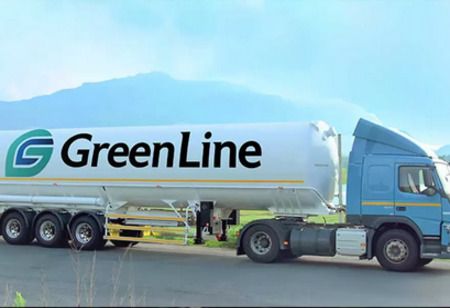
GreenLine Mobility Solutions, part of Essar, intends to invest Rs 1,500 crore in the upcoming three years to grow its fleet of LNG-powered trucks to 10,000 and enhance LNG refuelling stations to 50, as India aims to reduce diesel reliance and decrease freight emissions.
The sole green logistics operator in the country utilizing LNG-powered trucks predicts that substituting 10 percent of India’s diesel trucking fleet with LNG vehicles might lower yearly foreign exchange expenditures by USD 5-6 billion due to reduced fuel imports.
Also Read: Subros Bets Big on EV Thermal Systems as FY26 Revenue Rises
Madhur Taneja, Chief Executive of GreenLine, stated that LNG trucks can cut fuel expenses for long-haul fleet operators by as much as 20 percent because of improved mileage relative to diesel trucks.
He mentioned that LNG-powered trucks release roughly 25 percent less carbon dioxide, 85 percent fewer nitrogen oxides (NOx), and 95 percent less particulate matter compared to traditional diesel trucks, positioning them as a cleaner option for India's freight industry.
The initiative arises as fluctuations in global energy markets and conflicts in West Asia intensify India's emphasis on energy security and cleaner transportation fuels.
Also Read: Adani Green to Develop Storage Project in Andhra Pradesh
Prime Minister Narendra Modi has consistently advocated for decreasing India's reliance on imported oil, suggesting that substituting diesel with LNG in long-haul trucking presents a significant and feasible opportunity to reach that objective.
Diesel continues to be India's most-utilized petroleum fuel, representing nearly 39 percent of the nation's overall fuel consumption. India utilized 94.7 million tonnes of diesel in the fiscal year 2025-26, primarily derived from crude oil brought in from abroad, highlighting the nation's reliance on energy imports.
"Replacing just 10 percent of diesel with LNG can help save the nation USD 5-6 billion of foreign exchange," he says. "LNG can easily displace 10 percent of diesel. All it needs is a government push."
GreenLine, India's only green logistics operator of LNG and electric-powered heavy commercial trucks, currently operates 1,000 LNG- and EV-powered trucks across major fresh corridors, serving sectors including steel, cement, mining, FMCG and chemicals.
"The company plans to deploy over 10,000 LNG and EV trucks in three years and set up a network of 50 LNG fueling stations in the next two years," he says.
GreenLine now operates 7 LNG stations and aims to expand this number to 25 within this year and 50 by the following year. To alleviate range anxiety issues, he mentioned that GreenLine's LNG-fueled trucks provide a driving range of up to 1,200 km on one fill and up to 2,400 km with two tanks.
Also Read: Bharat Forge to Build Marine Gas Turbine Facility in Andhra
Additionally, they can transport significantly more than traditional trucks—40-50 tonnes versus 16-20 tonnes for standard diesel trucks.
Taneja noted that LNG-powered trucks have higher initial costs compared to traditional diesel vehicles, but focused policy backing akin to the incentives provided under India’s FAME program for electric vehicles could enhance their market competitiveness and speed up their use in the freight industry.
GreenLine presently caters to a wide array of clients from different sectors, such as cement, steel, metals and mining, FMCG, express cargo, oil and gas, chemicals, and consumer products.