

How 360 Feedback Tools Improve Leadership Communication and Team Effectiveness
 Leadership communication shapes how teams interpret priorities, share concerns, and respond to direction during workplace interactions. However, leaders often have limited visibility into how their messages, listening habits, and feedback style are experienced by others.
That's where 360 feedback tools bring together perspectives from managers, peers, direct reports, and self-evaluations around leadership competencies. This broader view can reveal differences between intended communication and how leadership behavior is perceived across working relationships.
Research shows multi-rater feedback can strengthen self-awareness and highlight development needs when supported by credible, relevant input. Let us learn how these insights can support stronger leadership communication and team effectiveness.
Why Leadership Communication Needs Multi-source Evidence
A manager may believe expectations are clear while direct reports experience shifting priorities, delayed feedback, or limited opportunities to speak. Peers may see strong collaboration, while senior leaders notice weak escalation discipline or inconsistent communication across stakeholder groups.
360 feedback tools bring these perspectives together, helping organizations distinguish isolated comments from recurring patterns across working relationships. Multi-source feedback is most useful when recipients view it as credible, fair, and relevant to meaningful development goals.
What 360 Feedback Tools Reveal About Communication Patterns
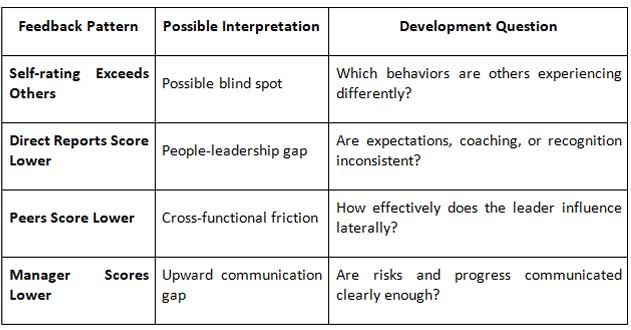
360 feedback tools become valuable when organizations compare rater groups instead of averaging every response into one leadership score. Differences between self-ratings and observer ratings can expose blind spots, hidden strengths, and behaviors that vary across audiences.
Multi-rater research also shows that convergence and divergence across raters can provide useful leadership-development insight.
How Communication Gaps Affect Team Effectiveness
Feedback becomes useful when leaders connect communication behaviors with consequences visible across team performance and collaboration. 360 feedback tools can show where unclear direction, limited listening, weak conflict handling, or inconsistent follow-through repeatedly appear.
High-performing teams typically rely on psychological safety, information sharing, shared thinking, cohesion, reflection, and collaborative practices. Weak listening can reduce employee voice, while unclear delegation can create duplicated work or delayed decisions. Linking those patterns with operational outcomes keeps leadership development connected with actual team needs.
Top Leadership Communication Signals Worth Tracking
A strong program measures communication through specific behaviors employees can observe consistently during workplace interactions. A competency framework can connect each behavior with role expectations, rating anchors, and targeted development actions.
1. Clarity of Direction
Leaders explain priorities, ownership, deadlines, and decision rights without creating unnecessary ambiguity.
2. Active Listening
Leaders seek input, acknowledge concerns, and show that relevant perspectives influence discussion.
3. Feedback Quality
Leaders provide specific guidance connected with observable behavior, expected standards, and next actions.
4. Conflict Management
Leaders address disagreement constructively while separating factual issues from interpersonal tension or assumptions.
5. Stakeholder Communication
Leaders adapt message depth, timing, and context for peers, executives, customers, and direct reports.
Behaviorally anchored rating scales improve interpretation because raters evaluate defined actions rather than broad communication labels.
Where a Communication Skills Assessment Adds More Evidence
Multi-rater feedback captures how leadership behavior is experienced, but it does not directly test every communication capability. A communication skills assessment can add structured evidence on listening, verbal clarity, written communication, empathy, comprehension, or response judgment.
360 feedback tools can then show where those capabilities are applied consistently or differently across stakeholder groups. This distinction matters because a low rating may reflect skill, behavior, opportunity, or context rather than one simple deficiency.
Turning 360 Feedback Tools Into Leadership Development Actions
Reports create little value unless leaders convert recurring feedback themes into behaviors that colleagues can observe over time. 360 feedback tools should therefore feed directly into coaching, individual development plans, and structured follow-up conversations.
A practical five-stage development cycle can convert feedback findings into measurable leadership behaviors and follow-up actions.
- Select two priority behaviors supported by repeated feedback patterns across credible rater groups.
- Define workplace situations where each behavior needs to appear more consistently during everyday leadership interactions.
- Choose practice opportunities, coaching support, and measurable indicators for every clearly defined leadership development goal.
- Ask selected stakeholders for focused observations after leaders practice targeted behaviors in relevant workplace situations.
- Review progress against team outcomes instead of relying exclusively on another survey score.
Feedback works better when recipients remain open to change, set goals, and receive supporting follow-through after results.
Measuring Whether Team Effectiveness Actually Improves
The purpose of 360 feedback tools is not higher survey scores alone, but better leadership behavior and stronger team functioning. Organizations should combine follow-up feedback with operational indicators linked to the original communication problem.
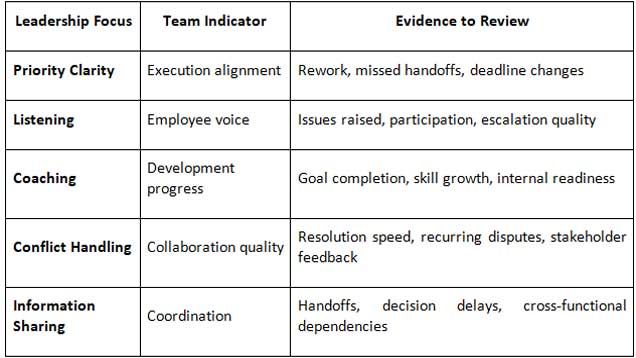
Follow-up should examine observable behavior, team outcomes, and whether employees experience meaningful changes in leadership communication.
Build Leadership Communication Around Evidence, Not Assumptions
Organizations should use 360 feedback tools to identify communication patterns, clarify perception gaps, and connect leadership behavior with team outcomes. The strongest programs combine credible raters, behavioral competencies, qualified interpretation, development planning, and measurable follow-up after delivery.
A communication skills assessment can add direct capability evidence when organizations need deeper analysis of listening, clarity, or response quality. Leaders should then practice priority behaviors and gather focused observations from people affected by those changes.
When 360 feedback tools move from survey administration to behavior change, leadership communication becomes easier to diagnose, develop, and evaluate. That shift gives teams a stronger foundation for trust, coordination, employee voice, and consistent execution.