

iFood to Invest $4.7 Billion in Brazil Through March 2027
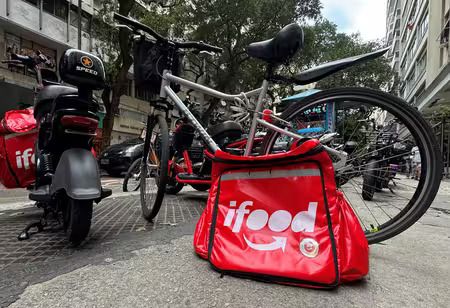
Brazilian food delivery platform iFood, owned by Dutch investment group Prosus, will invest 24 billion reais ($4.66 billion) in Brazil during the fiscal year ending March 2027, marking a 41% increase from its previous investment cycle.
The company said the investment will focus on four key areas: strengthening restaurant operations, expanding delivery services into new categories, developing proprietary technology, and scaling its fintech business, iFood Pago.
As part of its technology push, iFood plans to invest more than 2 billion reais in technology and innovation. The spending will support the development of artificial intelligence capabilities, including AI agents and a generative AI model being developed jointly with Prosus.
iFood is also expanding beyond its core restaurant delivery business. CEO Diego Barreto said non-restaurant delivery categories are expected to contribute around 40% of the company's revenues and results by the end of this year.
Also Read: Marvell Strengthens Leadership Team with Dan Durn CFO Appointment
The company has seen significant growth in these newer segments during its previous investment cycle. Grocery operations grew by 60%, while pharmacy deliveries increased by 70%. Its pet shop delivery business recorded growth of more than 100%, Barreto said.
Also Read: Emirates Signs 11 New Agreements on ATM 2026 Day Two
The expansion comes as competition in Brazil's delivery market intensifies. Didi-owned 99Food and Meituan-controlled Keeta have been expanding their presence in the country, increasing competitive pressure on established platforms.
However, Barreto said the emergence of new competitors does not concern iFood, pointing to the company's ability to continue innovating and expanding its services.
Also Read: US Regulator Questions Tesla Over Cybercab Certification
The investment plan underscores iFood's broader strategy to strengthen its position in Brazil while diversifying its business beyond restaurant deliveries. By combining logistics, technology, artificial intelligence, and financial services, the company is seeking to build a broader digital commerce ecosystem and capture growth across multiple delivery categories.