

India seeks US Clarity on Strait of Hormuz Insurance Plan
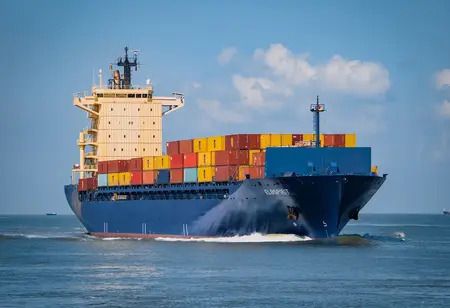
India has requested clarification from the United States regarding a suggested system to offer insurance coverage for oil tankers and various ships passing through the Strait of Hormuz, as rising tensions in West Asia spark worries about energy supply routes.
Reports indicate that discussions with Washington focus on grasping the functioning of the suggested insurance framework and its potential to protect Indian energy shipments traversing the essential maritime corridor.
The proposal allegedly includes the US International Development Finance Corporation providing risk insurance or financial guarantees for ships carrying oil and other cargo through the Gulf. The initiative aims to preserve the movement of commerce and energy resources via the strategically important waterway.
The action occurs against a backdrop of rising geopolitical tensions in the area, which have heightened the dangers for commercial shipping navigating through the Strait of Hormuz—an essential oil transit corridor globally.
Also Read: A Brief History of India's Transformation Under PM Narendra Modi
The stakes are exceptionally significant for India. The nation relies on imports for around 85 percent of its crude oil and nearly half of its liquefied natural gas needs, with a large portion carried via the Strait of Hormuz. Any interruption in the pathway could consequently affect the local energy supply and international fuel costs.
Also Read: 5 Latest CHRO Appointments in Global Corporations
Shipping and insurance expenses have increased due to the uncertainty, leading governments and industry stakeholders to seek methods to reduce risks to maritime commerce. Officials indicated that India is evaluating the possible advantages and consequences of the US-supported insurance initiative prior to reaching a conclusive decision.
The conversations emphasize increasing global apprehension regarding the safety of energy supply chains and the necessity for systems that can uphold maritime commerce during times of geopolitical turmoil.
Also Read: How This Techie Turned Visa Struggles into Startup Success
To fill the void, the world's fourth-largest LNG importer is looking for supplies of the supercooled fuel from other sources, the official stated. The official mentioned that it will additionally shift the focus of sales of domestically produced gas to industrial users, without providing further details. According to the current policy, local gas is primarily allocated to households, vehicles, and the fertilizer sector.