

Iran War Disrupts Global Ocean Freight & Air Cargo Supply Chains
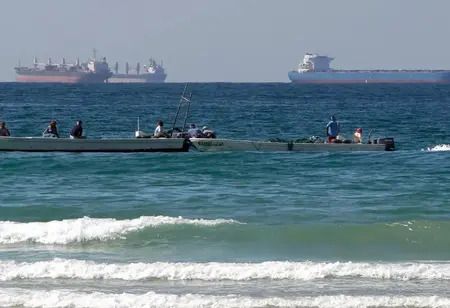
The Iran conflict has essentially stopped oil tanker traffic in the crucial Strait of Hormuz. However, it is also unsettling the broader global supply chain beyond oil, impacting various products such as pharmaceuticals from India, semiconductors from Asia, and oil-based goods like fertilizers that originate in the Middle East.
Cargo vessels are trapped in the Gulf or taking a significantly longer route around the southern end of Africa. Aircraft transporting air freight from the Middle East are halted. As the war continues the likelihood of shortages and rising prices for many goods increases.
Patrick Penfield, a supply chain practice professor at Syracuse University, states, “This is genuinely having significant effects on the global supply chain. As this conflict continues to unfold, you will notice certain shortages and significant price hikes."
Also Read: A Brief History of India's Transformation Under PM Narendra Modi
Clarksons Research, which monitors shipping data estimates that roughly 3,200 vessels, or approximately 4 percent of global ship tonnage, are inactive in the Persian Gulf, including around 1,231 that probably operate solely within the Gulf.
Approximately 500 vessels, representing 1 percent of the world's tonnage, are presently "waiting" near the Gulf in ports along the coasts of the United Arab Emirates and Oman, as reported by the company.
Also Read: RWS Appoints Stephen Lamb as Chief Financial Officer
Though these might appear as minor percentages, they create a chain reaction that results in congestion in other areas, stated Michael Goldman, general manager for North America at CARU Containers.
Also Read: Japan and the US Explore Nuclear Venture under $ 550 Billion Pact
The supply chain resembles a lengthy train consisting of numerous cars, with each car symbolizing a port across the globe. "If a single car derails, it frequently triggers a domino effect on several other cars ahead of or behind it," he stated. "Even though there are just a few ports impacted by this military operation, it can significantly influence the overall supply chain."