

Oil Edges Up on Iran Conflict and Supply Tightness
Oil prices remained stable on Wednesday, as renewed tensions between the U.S. and Iran created uncertainty and investors considered decreased Chinese demand alongside global inventory reductions.
Brent futures decreased by 25 cents, or 0.23 percent, to $91.24 a barrel at 1008 GMT, and U.S. West Texas Intermediate crude fell by 14 cents, or 0.16 percent, to $88.06 a barrel.
Prices initially increased due to renewed strikes involving the United States and Iran, then fell back toward the previous session's finish.
Global stock draws are supporting prices, but reduced Chinese crude oil imports are helping to cap prices, along with a restricted shipping flow through the Strait of Hormuz, according to PVM analyst Tamas Varga.
"Still, it is hard to align the present absence of anxiety with the ongoing turmoil surrounding the globe's most crucial oil-producing area," he noted.
Also Read: India Looks to Expand Venezuela Oil Cooperation
The U.S. armed forces targeted Iranian sites after President Donald Trump pledged on Tuesday to retaliate for the shooting down of a U.S. Apache attack helicopter.
Recent assaults redirected traders' attention to war dangers and possible supply interruptions, according to Priyanka Sachdeva, senior market analyst at Phillip Nova.
"Despite ongoing diplomatic efforts, the recent military exchanges have brought back a geopolitical risk premium to oil markets," Sachdeva stated.
Also Read: US Weighs Government Ownership in AI Companies
Tehran stated that it would restart hostilities if Israel persisted in its attacks on the Hezbollah militia in Lebanon.
Israel's unwillingness to halt its actions against Hezbollah, supported by Iran, has obstructed Trump's attempts to transform a fragile ceasefire in the broader U.S.-Israeli conflict with Iran into a lasting agreement.
Also Read: Zendesk Appoints Tifenn Dano Kwan as Chief Marketing Officer
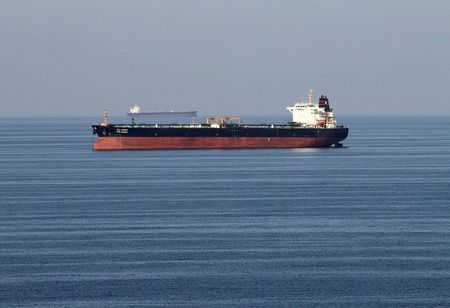
Iran has persistently obstructed the majority of shipping in the Strait of Hormuz, which typically transports one-fifth of the global crude oil and liquefied natural gas. Washington has enacted its own blockade of Iranian ports.
U.S. Energy Secretary Chris Wright stated on Tuesday that vessel movement in the Gulf and oil shipments via the strait are increasing while Washington and Tehran continue to negotiate a resolution to their ongoing conflict lasting over three months.
U.S. crude oil inventories decreased for the eighth consecutive week last week, as reported by market sources referencing Tuesday's information from the American Petroleum Institute, with gasoline stocks also dropping.