

Oil Ministry Offers 10 Percent More Commercial LPG to States
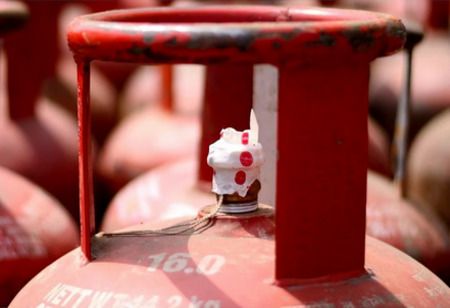
The Ministry of Petroleum and Natural Gas (MoPNG) has made a notable proposal to states, offering a 10 percent increase in liquefied petroleum gas (LPG) allocation if they encourage the use of piped natural gas (PNG) and facilitate the shift from cylinders to piped gas.
With the escalation of tensions in West Asia, India has been proactively addressing the need for secure LPG supplies, particularly in light of the fact that a majority of its imports pass through the Strait of Hormuz.
Also Read: Hari Nair to Step Down as Tips Music CEO
The shutting down of the essential energy choke point has led to the rationing of LPG, with households receiving full supply being given precedence. The state-owned oil marketing companies (OMCs) are allocating 20 percent of commercial LPG to various states.
According to reports, the Oil Ministry has put forth a suggestion to state governments that, despite a shortage of commercial LPG, its allocation can be raised to 30 percent if states are able to assist in the gradual shift towards PNG. To qualify for the additional 10 percent increase on top of the 20 percent allocation, the state must implement a series of reforms aimed at reducing long-term LPG consumption and increasing PNG penetration.
The Oil Ministry has recommended an additional allocation of one percent contingent upon the establishment of empowered district-level committees by the state government. These committees should include representation from local body executives and be responsible for approving city gas distribution (CGD) applications and addressing any grievances.
Also Read: Flipkart Brings Back Nishant Verman as SVP for IPO Initiatives
An additional two percent allocation will be provided for the approval of deemed City Gas Distribution (CGD) permissions for existing and new applications within 24 hours of the request for laying pipelines or through the state single window scheme.
However, the center will provide a four percent increase in allocation to states in order to reduce the yearly rental or lease fees for establishing and operating the CGD network to zero.
The states have the option to provide proof of the execution of these reforms to the Executive Director committee, established by the Center for the allocation of commercial LPG. This evidence can be submitted through the state level committee (SLC), which will subsequently allocate the extra gas once the evidence of policy reform is presented to the Ministry of Petroleum and Natural Gas (MoPNG), as mentioned by a senior government official. Thanks to the initiatives undertaken by the Ministry of Petroleum and Natural Gas, GAIL, the state-owned gas utility company, has raised the allotment of piped natural gas (PNG) for the commercial sector to 100 percent.
Also Read: UltraTech Cement Elevates Jayant Dua as Managing Director
This move aims to facilitate a smooth transition from liquefied petroleum gas (LPG) to natural gas, providing much-needed relief to the sector.
According to CGD entities in various states, the imposition of high fees by local authorities, such as charges for right of use, excavation, and rentals, has adversely affected the investment environment for CGD projects. There is a notable disparity among state governments in terms of road cutting across roads, canals, and other state-owned infrastructure.