

Oil Prices Rise Sharply in Market Trading
Oil prices surged significantly at the start of market trading on Sunday, as US and Israeli assaults on Iran, along with retaliatory measures against Israeli and US military facilities in the Gulf, caused disturbances in the global energy supply chain.
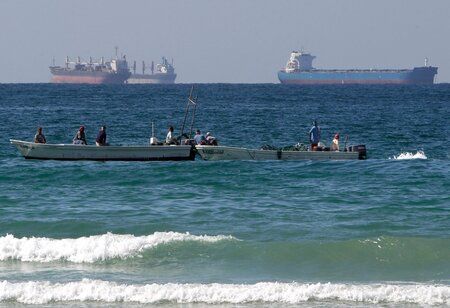
Traders were wagering that the oil supply from Iran and other parts of the Middle East would decrease or completely cease. Incidents across the area, including assaults on two ships navigating through the Strait of Hormuz, the tight entrance of the Persian Gulf, may limit nations’ capacity to ship oil globally.
Energy experts suggest that this would probably lead to increased prices for crude oil and gasoline. West Texas Intermediate, the light, sweet crude oil extracted in the United States, was priced at approximately USD 72 per barrel Sunday night, reflecting an increase of about 8 percent from its trading value of around USD 67 on Friday.
Approximately 15 million barrels of crude oil daily – around 20 percent of global oil – pass through the Strait of Hormuz, establishing it as the world’s most vital oil chokepoint, according to reports.
Also Read: This is How Russia Fosters China through Nuclear Reactor Technology
Tankers navigating the strait, flanked to the north by Iran, transport oil and gas from Saudi Arabia, Kuwait, Iraq, Qatar, Bahrain, the UAE, and Iran.
In mid-February, Iran temporarily closed sections of the strait, claiming it was for a military exercise.
Also Read: How is the US' Clean Air Act Not Keeping its Act Together in Closed Coal Plants Pollution?
Additional interruptions to that shipping route may result in diminished supply and increased costs for oil.
Incidents across the area, particularly involving two ships navigating the Strait of Hormuz, the constricted entrance to the Persian Gulf, may hinder nations' capacity to ship oil globally.
Also Read: Is Europe's Battery Production Industry Falling Behind Asia's EV Race?
This would probably lead to increased costs for crude oil and gasoline, as per energy specialists. In light of this, eight nations within the OPEC+ oil cartel declared on Sunday that they would raise crude production.