

Premium Petrol Prices Rise by 11/Litre Amid West Asia Tensions
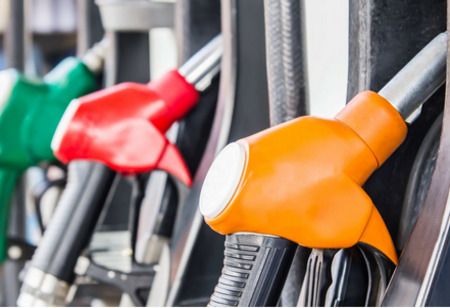
Oil marketing companies in Delhi have recently raised the prices of premium fuels, despite the continuing volatility in global energy markets due to the ongoing conflict between the US and Iran.
Specifically, IndianOil's XP100 petrol, which is India's first 100-octane premium fuel, has seen a significant increase of Rs 11 per liter, now priced at Rs 160 compared to its earlier price of Rs 149.
Also Read: Anshul Asawa Takes Charge as CEO, MD of Avenue Supermarts
Luxury vehicles and high-performance motorcycles predominantly utilize the high-grade fuel, as its elevated octane levels contribute to enhanced engine efficiency and overall performance.
The premium diesel option, Xtra Green, has undergone a price update. It is now being sold at a rate of Rs 92.99 per liter, an increase from its previous price of Rs 91.49. Though Indian Oil Corporation has not provided an official explanation for the increase, it is believed to be connected to the strong global crude oil prices and escalating logistics expenses against the backdrop of political unrest in the Middle East.
The most recent amendment is set against the context of increasing geopolitical tensions in West Asia, implicating the US, Israel, and Iran. These tensions have resulted in a blockade of the strategic Strait of Hormuz, an essential global passage for the transportation of crude oil and energy resources.
In the meantime, there has been a significant rise in commercial LPG prices. The cost of a 19-kg commercial LPG cylinder has climbed to Rs 2,078.50 as of April 1, up from Rs 1,768.50 on March 1, representing an overall increase of more than Rs 300 in just one month. It is worth noting that this marks the third increase since March 1 and the fifth overall since the beginning of 2026. However, the prices of domestic cooking gas LPG have not seen any changes since the last hike of Rs 60 per 14.2-kg cylinder on March 7. In Delhi, the current cost of a 14.2-kg cylinder of LPG is Rs 913.
Furthermore, Aviation Turbine Fuel (ATF) prices have been recently increased in major metropolitan areas starting April 1, 2026. In Delhi, the price of ATF now stands at Rs 2,07,341.22 per kilolitre, while in Kolkata it is priced at Rs 2,05,953.33 per kilolitre. Mumbai has registered ATF prices at Rs 1,94,968.67 per kilolitre, and Chennai at Rs 2,14,597.66 per kilolitre.
This surge in prices is aligned with the escalating global crude oil prices, which are impacting both airline operations and overall air travel expenses.
The prices of Aviation Turbine Fuel (ATF) for domestic airlines that operate international routes have experienced a significant rise.
Also Read: Telangana Sets Up Agency for Food Adulteration: CM Revanth Reddy
Previously priced at Rs 816 per kiloliter, they have now escalated to Rs 1,690 per kiloliter post the April 1 review, showing a more than twofold increase in accordance with global price patterns. The significant increase in ATF rates corresponds with the overall spike in jet fuel prices on a global scale, influenced by geopolitical instabilities in the Middle East, elevated crude oil prices, and expanding refining crack spreads.
Previously, the federal government decreased the excise tax on petrol to Rs 3 per liter and eliminated it entirely for diesel, according to a Gazette notification issued in accordance with the Central Excise Act, 1944.
Furthermore, a windfall tax of Rs 21.5 per liter has been levied on diesel exports. In the interim, the government has affirmed that fuel provisions throughout the nation are steady.
Also Read: Celsius100 Consulting Promotes Rhys Rufus as CEO
The Ministry of Petroleum and Natural Gas issued an official declaration ensuring that "all retail sites are functioning as usual nationwide" and that there are "sufficient quantities of gasoline and diesel accessible at all fuel stations." Additionally, it advised the public to refrain from participating in impulsive purchases in response to circulating speculation.
Authorities also mentioned that refineries are functioning at optimal capacity with ample crude oil reserves, and that domestic production of LPG has been increased to meet the current demand.