

Reliance Plans 1,600-Satellite Network to Take on Starlink
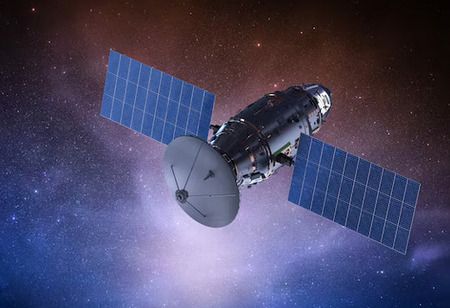
Billionaire Mukesh Ambani's Reliance Group is seeking manufacturing partners for its proposed 1,600-satellite broadband network, according to reports, aiming to establish an Indian-controlled rival to Elon Musk’s Starlink.
According to reports, the goal for a low-earth orbit network by 2035 is designed to aid the expansion of the newly-listed entity Jio Platforms Ltd. Reliance is negotiating with Indian satellite producers, tech startups, and larger industrial companies regarding potential collaborations, offering to finance the necessary infrastructure.
Also Read: Vijay Nair Joins IndiGo as Head of Brand Marketing
The initiative highlights the difficulty India encounters in aligning its space goals with the necessary production and launch capabilities to achieve them. India is presently manufacturing under 15 satellites annually, as stated by reports, whereas the intended constellation would necessitate the production of approximately 200 satellites each year, positioning Reliance at the forefront of initiatives to bridge that gap.
The strategy reflects New Delhi’s efforts to leverage the private sector for developing strategic capabilities, with the Tata Group making significant investments in semiconductor and electronics production through government-supported initiatives.
Reliance intends to merge local production with imports, featuring at least 400 satellites from the United States, as it prepares for a test mission in September 2027 and broader rollout starting in early 2028. The constellation is now set for completion by 2035, later than the prior target of 2030, because of manufacturing and launch limitations, sources stated.
Also Read: Karnataka Bets Big on AI and Deep Tech at Bengaluru Tech Summit
The company is negotiating with two American firms about possible satellite acquisition and is also assessing suppliers in Europe, they stated. It does not view China as a contributor to its constellation plans.
The constellation aims to rival Starlink in India, but in contrast to the Musk-supported global network of over 10,000 satellites, Reliance’s intended system focuses mainly on fulfilling India’s connectivity and strategic needs.
Reliance plans to utilize the network mainly to enhance connectivity throughout India, but the functionality could also address strategic communication requirements during times of conflict or geopolitical strain, the sources noted.
Enhancing domestic space capabilities has emerged as crucial for New Delhi after a recent border dispute with neighboring Pakistan, leading to augmented investments in surveillance satellites and collaborations with private space firms. Industry leaders indicate that launch capacity could ultimately be the greater challenge.
Although manufacturing can grow with adequate funding, launching thousands of satellites will necessitate a substantial rise in launch frequency and availability of appropriate orbital positions.
“Manufacturing at scale is doable but the real challenge will be to ensure there are enough rocket launches happening in India for the satellites to be placed in the desired orbit, if the constellation is planned to be implemented with Indian launch vehicles,” says Amal Chandran, CEO of satellite manufacturer HEX20.
Also Read: Velocity Launches Vector, India's First Agentic Shipping Platform
Starlink's launch in India is still under regulatory and security examination. Worries regarding the management and operational command of international satellite networks amidst geopolitical stress have bolstered the argument for homegrown alternatives.