

Rubio’s India Visit Highlights US Drive for Greater Energy Exports
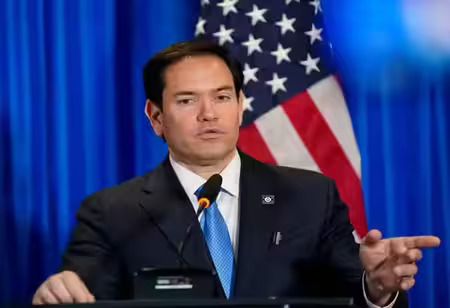
The Trump administration aims to increase energy exports to India, stated the US ambassador in New Delhi on Wednesday, prior to a multi-day trip by Secretary of State Marco Rubio to the world’s largest nation.
“India has been open to diversification, which means purchasing more American energy,” Ambassador Sergio Gor stated in a phone interview. "Individuals have shown great willingness to purchase from the United States, and we are quite pleased with this."
India is facing an energy crisis due to the nearly three-month-long conflict with Iran initiated by the US and Israel in late February. In retaliation, Iran effectively closed the Strait of Hormuz, a crucial channel for international energy transportation — limiting supplies and driving Brent crude up over 50% since the conflict began.
In response to inquiries regarding the pressure on India due to the war, Gor attributed the issue to Iran's closure of the strait.
"The responsibility does not lie with the United States," he stated, noting that the US Treasury Department has allowed India to purchase Russian oil that would otherwise face sanctions.
Also Read: 5 Latest CHRO Appointments in Global Corporations
India imports a significant amount of energy. Prior to the conflict, India depended significantly on Hormuz for liquefied petroleum gas supplies, utilized for cooking fuel, with roughly 90% of the country's LPG imports passing through the route.
Also Read: 5 Key Leadership Appointments across Global Firms in March 2026
Kpler's predictive data shows that New Delhi plans to import unprecedented quantities of LPG and liquefied natural gas from the US in May, highlighting the significance of the US for the energy security of the South Asian country.
Also Read: How US–China Tariffs Are Disrupting Textile Trade
“Being an increasing exporter of oil and LNG, the US will inevitably focus on Asia, particularly India and China,” stated Vandana Hari, founder of the analysis firm Vanda Insights. “Washington should view India as a more accessible market for entry and expansion.”