

Singapore Diversifies Energy Sources Amid Indonesia’s Gas Export Cuts
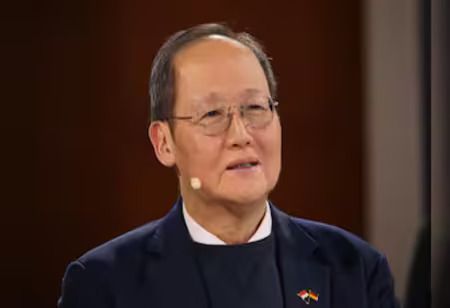
Singapore is expanding its supplier base, increasing storage capacity, and constructing new infrastructure to safeguard against escalating threats of resource nationalism, according to a speech by Minister for Energy, Trade and Industry Tan See Leng on Monday.
The comments arose as Indonesia started cutting natural gas exports to the city-state from Saturday, with President Prabowo Subianto aiming to strengthen local supply. Singapore’s Energy Market Authority has stated that the nation has ample supplies, with the reductions accounting for less than 2% of its overall daily gas demand, and Tan indicated there are no worries about shortages.
“We can remain composed and proceed,” he stated at the Singapore International Energy Week conference. “Our households and businesses can trust that energy security remains a priority for us.”
Singapore intends to boost its liquefied natural gas capacity to source from a broader range of suppliers, construct new power plants, and enhance fuel reserves to protect against possible disruptions, Tan stated.
Also Read: Walmart Launches AI Tools for Agents to Shop, Complete Purchases
“Singapore cannot shield itself from global or regional disruptions,” he stated. “When a supply shortage occurs, nations might also focus on their own internal demands, and this pattern of resource nationalism is especially alarming.”
Although Indonesia is a significant exporter of gas, international shipments have decreased in recent years due to an increasing portion of production being allocated for local consumption. Key liquefied natural gas markets consist of China, Japan, and South Korea, whereas pipeline natural gas is delivered to Singapore and Malaysia.
Also Read: Lockheed, Pentagon Strike Initial Deal to Produce 850 F-35 Jets
Indonesia is a leading gas supplier to Singapore, which relies on imported fuel for almost all of its electricity generation; however, the island has considerably decreased its reliance on pipeline supplies in recent years due to the increase in LNG shipments.
Also Read: Team Marksmen Celebrates Asia’s Most Influential Leaders in Malaysia
“Approximately 50% of our gas comes as LNG from a globally diversified range of sources, including the US, Africa, the Middle East, and Australia,” Tan stated.