

Trump Blocks State AI Rules; Utah Republican Pushes Back
When a group of twelve Republican activists convened on a rear porch in the suburbs of Salt Lake City to discuss the elections of this year, their conversation moved through the usual topics of conservative discussion in Utah, including decreasing water resources, fraud by illegal immigrants, and chemtrail conspiracy theories.
However, Doug Fiefia, a state representative campaigning for a state senate position, aimed to begin with another topic - artificial intelligence.
Fiefia previously held a position at Google and, similar to numerous other tech workers who transitioned to politics, he has focused his campaign on regulating the industry.
"I understand it seems like 'Doug, this is your only topic,'" Fiefia remarked. "That's due to its arrival; it's present now and will be our greatest battle."
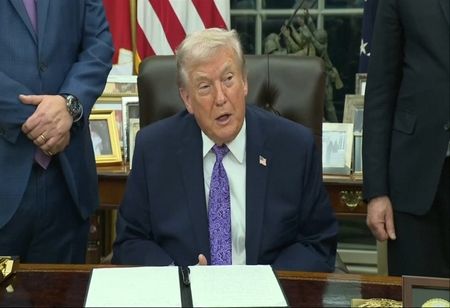
Fiefia's emphasis has placed him on a collision path with President Donald Trump's administration, which this year aided in obstructing his state's proposal that mandated companies to implement child safety measures. The White House seeks a unified national standard for artificial intelligence, claiming that a fragmented system of onerous regulations could hinder American innovation in the global race against China.
Also Read: 5 Key Leadership Appointments across Global Firms in March 2026
However, lacking advancements in Congress, state legislators have been working to tackle issues regarding a technology that is set to transform the economy. In Florida, Republican Governor Ron DeSantis included the topic in a special legislative session he is holding later this month.
Also Read: How This Techie Turned Visa Struggles into Startup Success
Last year, New York, under Democratic control, mandated significant AI developers to notify the state about hazardous occurrences.
In total, over 1,000 state legislative initiatives concerning AI exist, demonstrating the discomfort that has permeated the nation.
Also Read: 5 Latest CHRO Appointments in Global Corporations
Trump has consistently attempted to eliminate state-level AI policies by applying pressure, issuing an executive order that contained legal threats and financial penalties to discourage new regulations.