

Trump to Attend NATO Summit in July, Rubio Says
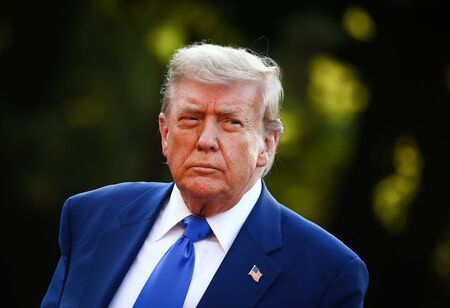
U.S. Secretary of State Marco Rubio announced on Wednesday that President Donald Trump will be present at the NATO summit of heads of state occurring in Turkey in early July, offering a confirmation that will probably bring relief to the capitals of the alliance.
Though American presidents typically participate in NATO summits due to Washington's role as the alliance's leader, doubts emerged regarding Trump's attendance this year as he consistently voiced his frustration with NATO for what he called its unwillingness to assist the United States in the Iran conflict.
During a congressional hearing on Wednesday, Rubio mentioned Trump's frustrations, indicating that his primary annoyance was with certain members who prevented the U.S. from utilizing military bases in those countries during a crisis.
Rubio informed lawmakers that Trump will attend the gathering, despite his disappointment with the alliance.
"The United States remains in the NATO alliance, and we will be in Turkey to discuss all these issues." "The president will be present at the upcoming NATO summit for heads of state, where all these issues will be clarified," Rubio stated.
Also Read: US Tariffs on India an Economic Boon?
Multiple NATO nations opposed backing the U.S. military operation against Iran by refusing to allow U.S. military aircraft access to their airspace or choosing not to deploy naval forces to aid in reopening the Strait of Hormuz for oil tankers.
Also Read: 5 Key Leadership Appointments across Global Firms in March 2026
European leaders have dismissed direct participation in U.S.-Israeli military actions against Iran, cautious of being drawn into an uncertain conflict whose objectives are not entirely clear and that is unpopular among their own people.
Also Read: How US–China Tariffs Are Disrupting Textile Trade
Trump has consistently referred to NATO as a "paper tiger" and threatened this year to leave the 32-nation transatlantic alliance, claiming that European allies have depended on U.S. security while offering insufficient backing for the U.S.-Israeli airstrikes in Iran.