

US, China Officials to Meet in South Korea for Trade Discussions
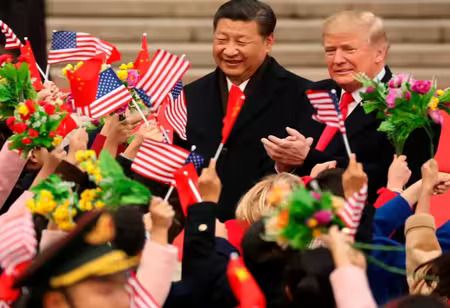
Senior officials from China and the United States are scheduled to hold economic and trade talks in South Korea this week, according to statements released Sunday by Beijing’s commerce ministry and US Treasury Secretary Scott Bessent, ahead of an expected summit between Chinese President Xi Jinping and US President Donald Trump.
China’s commerce ministry said Vice Premier He Lifeng, Beijing’s top economic official, will travel to South Korea on Tuesday and Wednesday to participate in “consultations on mutual economic and trade issues” with American representatives.
The ministry did not provide further details about the agenda, though the discussions are expected to focus on trade relations, tariffs, supply chains, and broader economic coordination between the world’s two largest economies.
Bessent confirmed the meeting in a post on X, saying he would stop in Seoul on Wednesday for discussions with He before continuing to Beijing for the leaders’ summit between Trump and Xi. The summit is expected to be closely watched globally, as Washington and Beijing attempt to stabilize ties after months of heightened tensions over trade policy, technology restrictions, and regional security issues.
Also Read: US to Review AI Models from Microsoft, Google, xAI
Trump’s upcoming visit to China is expected to center on efforts to ease friction over tariffs and Taiwan, while also addressing geopolitical concerns linked to the ongoing conflict in the Middle East. Analysts say the meetings in Seoul could help lay the groundwork for more substantive negotiations between the two leaders in Beijing.
Also Read: 5 Key Leadership Appointments across Global Firms in March 2026
Both sides are expected to seek areas of cooperation while managing longstanding disputes that continue to shape US-China relations and global economic stability.
Also Read: How US–China Tariffs Are Disrupting Textile Trade
Diplomats and investors are expected to monitor the outcome of the discussions for indications of progress on trade disputes, market access, semiconductor restrictions, and military tensions in the Indo-Pacific region, all of which have weighed on bilateral relations and international markets recently.