

US-Iran Interim Accord Opens Strait of Hormuz
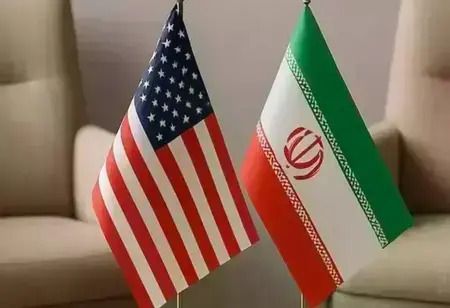
The United States and Iran have taken a significant step toward ending their recent conflict by signing a temporary online agreement aimed at halting hostilities and paving the way for a broader peace settlement.
The accord was digitally signed by US President Donald Trump and Iranian President Masoud Pezeshkian, allowing both sides to quickly establish a ceasefire without the logistical and political challenges of a face-to-face meeting.
However, the fragile agreement faced an early test when Trump warned that the United States would launch fresh military strikes if Iran failed to honor its commitments.
Also Read: How US–China Tariffs Are Disrupting Textile Trade
Speaking at a press conference, Trump stated, “We're going to strike them hard if they break the deal.” His remarks appeared to conflict with the first provision of the 14-point accord, which commits both countries to refrain from the threat or use of force and to ensure an immediate and permanent cessation of military actions.
Also Read: A Brief History of India's Transformation Under PM Narendra Modi
The interim agreement outlines a roadmap for achieving a comprehensive settlement within 60 days. One of its key provisions requires the United States to allow the unrestricted movement of commercial vessels through the Strait of Hormuz, a strategically vital shipping route. Under the terms of the deal, Washington is expected to end its naval blockade within 30 days, helping restore normal maritime trade and regional stability.
Another major component of the agreement is Iran’s renewed commitment not to pursue the development or acquisition of nuclear weapons. This pledge is expected to form a central pillar of future negotiations between the two countries.
Also Read: SCO Summit 2025: Outcomes of Modi-Xi Meeting
Despite the progress, uncertainty remains over the next phase of diplomacy. Esmaeil Baghaei, spokesperson for Iran’s Foreign Ministry, said on Thursday that a proposed round of talks between Iranian and US officials in Switzerland on Friday had not yet been finalized.
According to the agreement, any final settlement reached by the two sides will be formalized through a binding resolution of the United Nations Security Council, providing international backing for the accord.