

Vance, Rubio Meet Qatar PM Amid Uncertainty Over Trump's Iran Plans
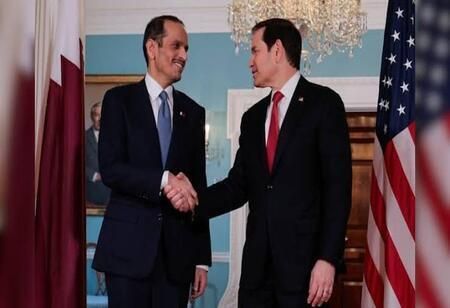
US Vice President JD Vance and Secretary of State Marco Rubio held separate meetings with Qatar's Prime Minister Sheikh Mohammed bin Abdulrahman bin Jassim Al Thani on Monday, amid growing uncertainty over President Donald Trump's approach to the nearly nine-month-old conflict with Iran.
Qatar has played a significant mediating role in efforts to revive stalled negotiations aimed at ending the conflict. Vance met the Qatari prime minister at the White House, according to a person familiar with the discussions.
The meetings come as Trump has reportedly told Vance that the administration does not need an agreement with Iran, directing him instead to focus on domestic issues, including fraud and crime in Democratic-led cities.
Vance, who previously served as the chief US negotiator during a brief ceasefire agreement, has linked Republican losses in the recent midterm elections to public dissatisfaction with the Iran war.
Also Read: US Intelligence Chief Warns of More Tech Outages Amid Upgrades
Despite Trump's remarks that major military operations may not need to resume, sporadic military action continues, while the US naval blockade on Iranian shipping in the strategically important Strait of Hormuz remains in place. The situation has raised concerns among regional allies about a possible escalation.
Meanwhile, mediators are exploring proposals that could ease disruptions in the Strait of Hormuz in exchange for limited sanctions relief for Tehran, potentially paving the way for broader negotiations covering Iran's nuclear programme.
Also Read: California Sues OpenAI Over AI Safety and Security Concerns
Rubio's meeting with Qatar's prime minister took place as part of the US-Qatar Strategic Dialogue. The US State Department said both sides discussed regional security and appreciated Qatar's mediation efforts.
Also Read: Nvidia Shares Surge 31 Percent as Jensen Huang Returns
However, the discussions produced no announcement of a new policy direction. With diplomatic efforts continuing and military tensions unresolved, Washington's next steps towards Tehran remain uncertain.