

Why Global Mobility Is Becoming a Strategic Priority for Indian HNIs and UHNIs
 For many years, discussions around moving overseas were driven largely by education or employment. Families aspired to send their children to top universities abroad, while professionals sought international careers and, eventually, permanent residency.
Today, that conversation has evolved well beyond education and employment.
Many of India’s high-net-worth individuals (HNIs), ultra-high-net-worth individuals (UHNIs), entrepreneurs and business families are looking at global mobility through a much broader lens. Rather than viewing residency or citizenship solely as an immigration outcome, they increasingly see it as a strategic asset.
One of the biggest drivers is the growing international footprint of Indian businesses. Indian entrepreneurs today are building businesses that serve customers, partners, and investors across multiple countries. Having the ability to travel with ease, establish a business presence overseas, or relocate when required has become a competitive advantage rather than simply a lifestyle choice.
Over the past few years, I have also seen a noticeable shift in the conversations I have with clients. Earlier, many conversations centered on moving abroad for work or education. Today, many entrepreneurs and business families are more likely to ask how global mobility can support their long-term business interests, create greater flexibility for their children, and provide options for the future. The focus has shifted from relocation to long-term planning.
Family considerations are equally important. Parents are planning not only for their own future but also for that of the next generation. Access to world-class education, healthcare, quality of life, and international opportunities often influences long-term decisions about where a family wants to live, work, or invest. Global mobility provides options that may not have seemed necessary a decade ago but are increasingly valuable today.
Recent geopolitical developments and evolving immigration policies have also altered how successful families think about the future. Business leaders understand the value of diversification in their investment portfolios, and many are now applying the same principle to their family’s long-term planning. Having access to residency in another jurisdiction can provide flexibility during periods of economic uncertainty, policy changes, or business expansion.
This does not mean that investment migration is the right choice for everyone. Every family’s objective, financial circumstances, and long-term aspirations are different. The decision should be made only after careful evaluation of available programs, regulatory requirements, investment risks, and tax and legal implications with qualified professionals.
Having advised investor families for nearly a decade, I have found that clients rarely begin the conversation by asking, “Which country should I move to?” More often, they ask, “What options will best support my family's future?” That shift reflects a fundamental change in mindset from immigration planning to long-term strategic planning.
Ultimately, global mobility is about creating choices. With business, capital and talent moving across borders more freely than ever before, the ability to access opportunities in multiple jurisdictions has become an important consideration for many successful families. For Indian HNIs and UHNIs, global mobility is no longer simply about where they can live. It is increasingly about how they can create greater certainty, unlock opportunities and build a lasting legacy for generations to come.
For more information, please visit: https://www.eb5consultancy.com/ | https://www.linkedin.com/company/myrcbi/
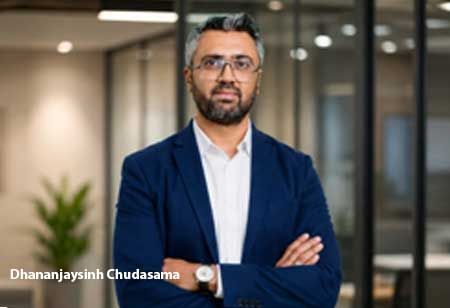
(The author is Founder of EB5 Consultancy and an investment migration specialist.)