

WTO Encourages India to Deepen Trade Reforms
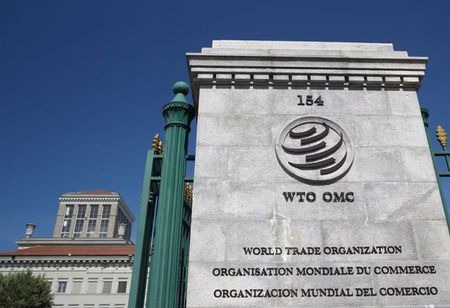
The Secretariat of the World Trade Organisation (WTO) has encouraged India to continue reforms aimed at reducing trade costs, simplifying regulations, and enhancing its global economic integration.
India's trade outcomes in recent years have been influenced by various external difficulties, the nation highlighted in a different report.
“India is experiencing a growing application of non-tariff measures by certain trading partners, such as intricate standards, conformity assessment processes, and regulatory obligations.” "India's report emphasized that these have led to limited market access for Indian industries in international markets."
Also Read: Myntra Expands AI Across Shopping and Seller Operations
Global supply chain disruptions due to geopolitical tensions, pandemics, climate incidents, and export restrictions in certain countries have negatively impacted the availability and pricing of essential inputs. Moreover, challenges of surplus capacity and overproduction in specific industries have resulted in trade imbalances and price volatility in global markets, the report from India stated.
In spite of these difficulties, India remains committed to engaging positively with WTO members to tackle these issues, while also implementing domestic reforms and seeking international collaboration to strengthen supply chain resilience and foster a transparent, rule-based multilateral trading framework.
The assessment, carried out regularly for all WTO members (India's previous review took place in 2021), occurs while India continues to be the fastest-growing G20 economy and is working towards its "Viksit Bharat 2047" goal of becoming a developed nation.
Also Read: Emergent Joins AI Unicorn Club With $130 Million Fundraise
“Commerce Secretary Rajesh Agrawal highlighted India’s strong economic fundamentals and reform-driven growth, reaffirming the nation’s commitment to Aatmanirbhar Bharat and the vision of Viksit Bharat. From sustained economic resilience and digital transformation to ease of doing business, food security, and the Jan Vishwas trust-based governance framework, India showcased its progress towards inclusive and sustainable growth,” according to a social media post by the Commerce Department.
In its recent report, the WTO Secretariat stated that India achieved significant advancements during the review period by increasing regional trade agreements, further liberalizing foreign direct investment (FDI), updating customs procedures, and digitalizing trade processes. It also emphasized “unmatched advancement” in financial inclusion.
Also Read: India’s Processed Food Market to Reach $600 Billion by 2030
Nevertheless, it pointed out that India's policy structure still depends on fairly high tariffs, import and export regulations, state trading firms, and substantial budgetary assistance programs, especially for food grains and fertilizers. The report recognized that these policies help food security and rural communities, suggesting they persist in influencing India’s trade system.
Looking forward, the Secretariat observed that India’s GDP growth is expected to be 6.8-7.2 percent in FY2027-28 but emphasized that maintaining such growth in the long term would necessitate tackling structural challenges like elevated trade costs, infrastructure deficiencies, regulatory complexities, and obstacles to further global integration.
It noted that reforms focused on improving the business climate, boosting productivity, and minimizing dependence on trade-limiting policies could enhance competitiveness, draw in greater foreign investment, and optimize resource distribution. The report indicated that India's forthcoming resilience will hinge on achieving the correct equilibrium between its self-sufficiency goals and increased openness to global trade, while staying involved in the reform of the multilateral trading framework.