

The Leadership Traits Manufacturing CEOs Need to Win in Industry 4.0
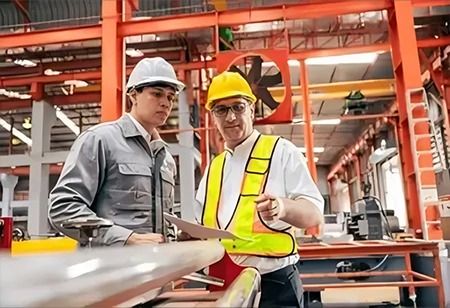
The manufacturing sector is rapidly evolving with Industry 4.0 technologies, shifting global demands, and sustainability pressures. To stay competitive, modern manufacturing CEOs must adopt visionary, agile, and data-driven leadership approaches. The article highlights key traits such as resilience, innovation, people-centric leadership, and strong governance. By embracing digital transformation and fostering collaboration, leaders can build future-ready organizations and drive sustainable long-term growth.
The manufacturing sector is undergoing a profound transformation, driven by the convergence of advanced technologies and rapidly evolving global priorities. In India, this transition is especially significant, with the manufacturing market projected to reach nearly $1.74 trillion by 2026, supported by strong growth across automotive, electronics, and heavy machinery segments. At the core of this shift lies Industry 4.0 an ecosystem defined by smart factories, interconnected systems, and real-time data flows that are fundamentally redefining how production environments operate.
Technologies such as artificial intelligence (AI), machine learning, robotics, and advanced automation have evolved from being optional enhancements to becoming central pillars of operational strategy. These technologies are enabling manufacturers to achieve unprecedented levels of efficiency, precision, and scalability while also unlocking new possibilities in product innovation and customization.
At the same time, persistent supply chain disruptions—triggered by geopolitical tensions, pandemics, and fluctuating raw material availability—have exposed structural vulnerabilities in traditional manufacturing models. Organizations are increasingly being forced to rethink long-standing practices and build systems that are more resilient, flexible, and responsive.
Manufacturers are under pressure not only to deliver economic value but also to minimize environmental impact, ensure ethical sourcing, and maintain transparent governance practices. These demands are reshaping business priorities and influencing decision-making at the highest levels.
In this rapidly evolving environment, leadership is no longer limited to ensuring operational continuity. It requires a forward-looking mindset capable of navigating uncertainty, embracing innovation, and aligning business strategies with broader societal goals. Modern manufacturing CEOs must therefore move beyond conventional leadership approaches and adopt a more agile, data-driven, and purpose-oriented style to remain competitive and future-ready.
In exclusive interactions with CEO Insights, industry leaders from the Indian manufacturing sector, shared the leadership traits they prioritize and how they continuously refine them to thrive in this dynamic industrial landscape.
Visionary and Innovation-Driven Leadership
A clear and compelling vision remains the cornerstone of effective leadership, particularly in a manufacturing sector defined by rapid technological change and evolving market dynamics. For modern manufacturing CEOs, vision extends beyond setting long-term goals—it involves anticipating industry disruptions, identifying emerging opportunities, and steering the organization toward sustained and future-ready growth. This forward-looking approach enables leaders to stay ahead of competition while aligning business strategy with broader economic and technological shifts.
In today’s environment, visionary leadership is inseparable from innovation. Leaders are expected to champion a culture that encourages experimentation, embraces new ideas, and integrates advanced technologies into everyday operations. Innovation is no longer limited to product development or R&D functions; it permeates across manufacturing processes, supply chains, customer engagement, and even business models. CEOs must actively foster an ecosystem where continuous improvement and creative problem-solving become integral to organizational DNA.
Agility, Resilience, and Risk Management
The modern manufacturing landscape is defined by volatility. From global supply chain disruptions to shifting consumer demands and regulatory changes, uncertainty has become a constant. In such an environment, agility and resilience are essential for survival and growth.
Agility enables organizations to respond quickly to changes, whether it involves adjusting production schedules, sourcing alternative suppliers, or adapting to new market conditions. It requires leaders to be flexible in their thinking and proactive in their approach, ensuring that the organization can pivot without losing momentum.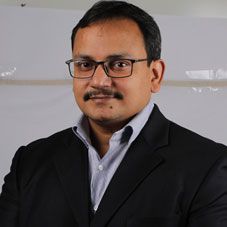
N. P. Gupta, CEO, HMC Hive – A Hero Motors Company, shares his thoughts on the importance of agility in the modern business landscape, “In today’s dynamic environment, agility is critical to responding swiftly to market and supply chain disruptions. At the same time, resilience comes from building strong processes, maintaining quality, and ensuring operational discipline. Organizations that can anticipate risks and adapt quickly are better positioned to sustain growth and navigate uncertainty.”
Resilience, on the other hand, is about building the capacity to withstand disruptions and recover effectively. This involves strengthening operational frameworks, investing in robust infrastructure, and maintaining financial stability. Risk management plays a crucial role here, requiring leaders to anticipate potential challenges and implement strategies to mitigate them.
Also Read: Policy to Progress: India’s Semiconductor Ecosystem Taking Shape
Digital and Data-Driven Decision Making
The rapid rise of digital technologies has fundamentally reshaped decision-making in the manufacturing sector. Data is no longer just a byproduct of operations—it has become a critical strategic asset that enables real-time visibility into processes, customer behavior, and market trends. For modern manufacturing CEOs, the ability to harness and interpret data effectively is essential to maintaining competitiveness and driving informed, timely decisions.
 However, digital transformation goes beyond the adoption of advanced tools and platforms. It requires a comprehensive shift in how organizations operate, including rethinking traditional processes, redefining workflows, and embedding data-driven thinking into the organizational culture. Leaders must ensure that their teams are equipped with the right technologies and analytical capabilities to collect, process, and act on data efficiently. This also involves fostering cross-functional collaboration, where insights are shared and leveraged across departments to improve overall performance.
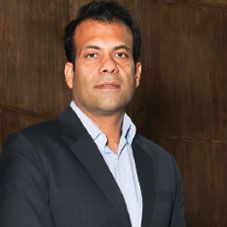
Mayank Agrawal, CEO, Gallantt Ispat, shares, “In today’s data-driven environment, clarity in vision must be supported by accurate insights and real-time information. Effective forecasting and structured planning, backed by data, enable organizations to make informed decisions and respond proactively to challenges. Leveraging digital tools helps us monitor performance closely and continuously improve operational efficiency.”
Mayank further adds, “Clear communication, setting measurable expectations, and empowering teams with the right data and tools are equally critical. Building a culture that values data-driven thinking ensures that both individuals and the organization can adapt, innovate, and sustain long-term growth.”
Also Read: PM Modi Led Manufacturing Initiatives: Make in India, PLI & More
People-Centric and Collaborative Leadership
While technology is transforming manufacturing processes, people remain the driving force behind innovation and execution. Employees are responsible for operating advanced systems, solving complex problems, and driving continuous improvement. As such, effective leadership must prioritize people-centric strategies.
This involves creating an inclusive and supportive work environment where employees feel valued and motivated to contribute their best. Leaders must invest in skill development to ensure that their workforce is equipped to handle new technologies and evolving job roles. Upskilling and reskilling initiatives are particularly important in bridging the gap between traditional manufacturing practices and modern digital requirements.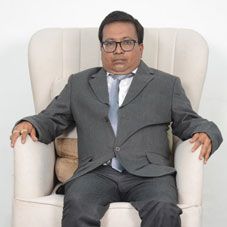
Dr. Prasenjit Bakshi, CEO, Rajdhani Crafts, explains, “Leadership is about empowering people and fostering a culture where collaboration thrives. When individuals feel valued and supported, they are more motivated to contribute meaningfully and drive innovation. Strong teamwork and shared goals create the foundation for sustainable success in any organization.”
Collaboration is another key aspect of modern leadership. CEOs must foster strong relationships not only within their organizations but also with external stakeholders, including suppliers, partners, and customers. A collaborative approach helps in sharing knowledge, driving innovation, and building a resilient ecosystem capable of adapting to change.
Also Read: Manufacturing: The Engine Driving India’s Industrial Leadership
Sustainability and Strong Governance
Sustainability and strong governance have become defining pillars for modern manufacturing CEOs, moving beyond regulatory obligations to shape long-term business strategy. With increasing scrutiny from regulators, rising investor expectations, and a more environmentally conscious consumer base, organizations are under growing pressure to operate responsibly and transparently. Leaders today must integrate environmental, social, and governance (ESG) principles into the core of their decision-making while maintaining profitability and driving sustainable growth.
In manufacturing, sustainability spans a broad spectrum of initiatives. It involves reducing carbon footprints, improving energy efficiency, minimizing waste, and adopting circular economy practices that emphasize reuse and optimal resource utilization. These efforts not only ensure compliance with evolving regulations but also enhance operational resilience, reduce costs, and strengthen brand credibility in competitive markets.
Equally critical is the role of strong governance in enabling sustainable success. Robust governance frameworks foster accountability, ethical conduct, and transparency across all levels of the organization.
They empower companies to navigate complex regulatory environments while building trust among stakeholders, including investors, customers, and employees. Effective leaders prioritize ethical decision-making and align organizational goals with long-term value creation rather than short-term gains.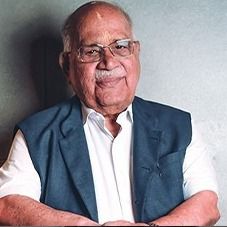
As C. Gopalan, Founder and Chairman, Gopalan Metals, notes, “As India accelerates its journey towards becoming a global manufacturing powerhouse; sustainability must remain at the core of this transformation. Initiatives like ‘Make in India’ are not just about strengthening domestic capabilities but about building a resilient, self-reliant ecosystem that reduces dependency on imports while embracing environmentally responsible practices.”
Conclusion
The role of manufacturing CEOs has evolved significantly in response to rapid technological advancements and shifting global dynamics. Leaders today must navigate a complex landscape that requires balancing innovation with execution, agility with discipline, and technology with human-centric values.
In an era defined by change and uncertainty, the ability to adapt, innovate, and lead with purpose will ultimately determine which organizations thrive. Modern manufacturing CEOs who master these leadership traits will not only drive business growth but also contribute to building a more resilient, sustainable, and forward-looking industrial ecosystem.