

How Direct Selling is Empowering Micro-Entrepreneurs in India
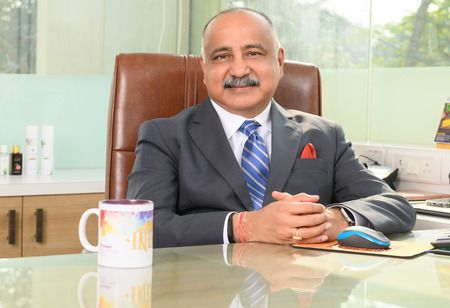
With more than 30 years of work experience in the FMCG industry, Harish has been responsible for providing strategic, financial and operational inspired leadership for various FMCG organizations. He has been instrumental in strategic startup and joint ventures of various organizations. He has guided organizations compete with the largest players in the industry in the constantly changing environment.
India is going through a marked yet subtle shift in the concept of entrepreneurship as a whole. It is no more the sole domain of individuals with substantial capital at hand, formal education under their belts, or access to urban business hubs. Entrepreneurs across towns, semi-urban areas, and rural towns are building successful ventures with the bare minimum at hand—from the comfort of their own homes. At the heart of this phenomenon is the concept of direct selling.
Micro-entrepreneurs, i.e., small, self-managed enterprises or businesses, constitute the binding force for India’s informal economy or unorganized sector. They comprise homemakers, students, retirees, first-time workers, and those seeking additional jobs. The conventional system is out of reach for many micro-entrepreneurs because of geographical, social, or educational constraints. The platform of direct selling has helped bridge this hurdle for gaining access to the economy.
Also Read: Kiran Mani Joins ChatGPT-maker OpenAI to Lead APAC Operations
Perhaps the biggest challenge that an aspiring entrepreneur must overcome is the fact that starting a traditional business is incredibly costly to enter, both in terms of capital and operational requirements. With direct selling, however, an individual is provided an opportunity to become an entrepreneur with relatively little investment required and minimal upfront risks. This democratization of starting an entrepreneurial venture is quite enabling. An individual doesn't need to be knowledgeable or experienced in the ways of traditional business or possess networks of professional associates or brick-and-mortar locations of operations to begin earning, learning, and growing as they engage and respond to the needs of other consumers.
While income generation is a key motivator, the real value of direct selling lies in the skills it cultivates.
Participants are not only selling; they learn communication, financial planning, customer management, digital literacy, and leadership.
These skills are transferable, long-term, and oftentimes have application beyond the direct selling profession. Many people who start part-time become confident micro-entrepreneurs-leading, guiding, and mentoring others, maintaining teams, and planning sustained income streams. In a country where employability skills are often at variance with industry requirements, this kind of hands-on learning becomes vital.
The influence of direct selling can be particularly highlighted on women's economic participation. India has a large population of capable yet underutilized women who take breaks or step away from formal careers due to the demands of family or the pressure of societal expectations. By nature, direct selling is an activity that permits work hours to be structured around personal commitments. This flexibility goes beyond convenience; it enables financial independence, boosts confidence, and strengthens decision-making power within households. In many cases, individual women earners go on to make a ripple effect of building community networks and mentorship.
Also Read: VML India Appoints Kunal Roy, Shekhar Khanna in Leadership Roles
Technology has also increased the scope and efficiency of direct selling. For example, the use of smartphones, digital payments, and messaging has helped change the face of how micro-entrepreneurs can reach out to their consumers or conduct their work. No longer confined to physical presence, the single micro-entrepreneur in a rural town or city can, today, potentially reach out to consumers across the country. Not only has technology helped, but it has also increased the scope for recording, training, and communication, making the business more transparent and making consumers across the country digitally savvy.
Another way in which direct selling promotes inclusive growth is that, in its practices, people not otherwise part of the conventional economic sphere are reached, such as youths in need of an additional source of livelihood, elderly people in need of purpose, or people with mobility challenges. It values stability, hard work, and personal initiative over credentials or background. The total number of micro-businesses may be low on individual levels, but their contributions form a significant construct.
Also Read: Trosmic Sports Names Stuti Singh as Director – Communications
Apart from financial benefits, direct selling promotes an entrepreneurial spirit. That is, people become accustomed to target setting, time management, dealing with rejection, and eventually accepting responsibility for the outcome. This transformation from being job-dependent to being one’s own boss is quite significant for a country with a huge and expanding workforce. This is despite the fact that some people may eventually migrate from their current career paths.
Similar to any economic system, direct selling is not without challenges. However, through a continuous focus on transparency, ethical business practices, and education, the challenges of misinformation, speculative income levels, and practices will be managed to promote sustainability. This sustainability requires cooperation among individuals to ensure the empowerment of direct sellers remains the focal point.
Direct selling is not only the activity of buying or selling things, but it is a socio-economic enabler too. It is lowering the bar of participating in the market, providing useful skill sets, utilizing technological advancements, and promoting inclusive growth across the Indian landscape. As the Indian economy moves forward on the road to sustainable and inclusive growth, the importance of such models of fostering local entrepreneurship and self-reliance only seems to increase. Direct selling, undertaken correctly, may be seen as the definition of decentralization on the individual level.