

AEPC Chairman: TN Govt to Add Apparel Sector in LPG Allotment
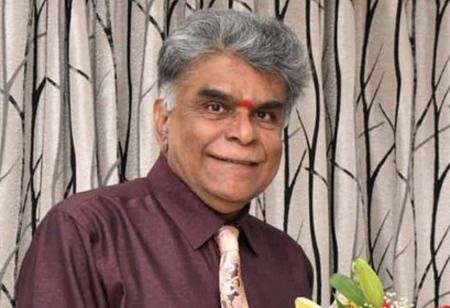
A Sakthivel, the Chairman of the Apparel Export Promotion Council (AEPC), has requested the Tamil Nadu government to consider incorporating the apparel export industry into the allocation of 20 percent of commercial LPG cylinders currently being permitted due to the shortage.
The inclusion of this industry, which sustains a large workforce, would ensure that its operations can persist without interruption amidst the present adversity.
Also Read: Piyush Goyal Rejects Reports on India Holding off US Trade Deal
In a communication directed towards R Sakkarapani, Minister for Food, Civil Supplies, and Consumer Protection, as well as TRB Rajaa, Minister for Industries, Sakthivel emphasized the pressing necessity of maintaining a continuous supply of LPG to the apparel export sector, as stated in an announcement from APEC.
Sakthivel emphasized in the statement that LPG plays a crucial role as a primary fuel in the garment manufacturing industry, particularly in key processing stages like dyeing, washing, compacting, and finishing units, which are integral to the apparel export sector.
AEPC has appealed to the State government to contemplate the incorporation of the apparel export industry within the allocation of 20 percent of commercial LPG cylinders to ensure that industries receive a necessary and restricted supply during this pivotal period.
Sakthivel emphasized the critical importance of LPG in maintaining the processing functions of the industry.
He warned that ongoing shortages could result in a suspension of operations for numerous processing units, leading to a potential ripple effect on garment manufacturing facilities and export production.
The sector offers both direct and indirect employment opportunities to numerous individuals throughout Tamil Nadu. He expressed concern that if the current situation continues, several industrial facilities may be compelled to cease operations temporarily, resulting in significant repercussions for the financial security of employees and their dependents.
In a significant announcement, the Central government has implemented a 20 percent cap on the typical monthly commercial distribution of LPG by oil marketing companies (OMCs), in collaboration with state authorities, as stated by Union Minister of Petroleum and Natural Gas, Hardeep Singh Puri, in Parliament on March 12, 2026.
Also Read: PM Launches Trains, Roads Projects in Assam's Kokrajhar
This measure, which took effect on the aforementioned date, is designed to give precedence to domestic LPG utilization and prevent any instances of stockpiling or illicit trade activities, according to the Minister. OMCs will be decreasing their LPG supply to commercial entities by 80 percent from the previous monthly average allocation.
The action is being taken in response to the repercussions of the escalating tensions between Iran, Israel, and the US, which has impacted commercial shipping through the crucial Strait of Hormuz. This important passage is responsible for transporting approximately 20 percent of the global trade of crude oil, natural gas, and LPG. Due to the severe disruption in shipping through this route, the government is implementing measures to ration certain energy supplies while prioritizing the protection of households and critical industries.
Authorities have implemented more stringent consumption guidelines to preserve resources. While domestic LPG deliveries are still accessible, there has been an increase in the minimum waiting period for refills to 25 days as a precaution against hoarding and misuse. The supply of commercial LPG has been restricted, impacting restaurants, bakeries, and catering businesses across various urban areas.
Also Read: Super-efficient ACs Cut 60 Percent Energy Use: Industry Leaders
As a result, certain establishments have limited their offerings or temporarily ceased operations as a consequence of the shortage of cooking gas. Transportation and small enterprises are experiencing difficulties as well. In certain regions of southern India, numerous autorickshaws operating on auto-LPG and CNG have been forced to cease operations as a result of fuel scarcities. Simultaneously, railway dining facilities and institutional cafeterias are investigating the implementation of induction cooking and other substitute methods.
To achieve market stability, the government has placed emphasis on ensuring a consistent supply of LPG to households and critical facilities like hospitals and schools. Refineries have been directed to boost production of LPG and reallocate excess output to support cooking gas distribution channels.