

Bata India Boosts Advertising Investment as Q1 Profit Rises
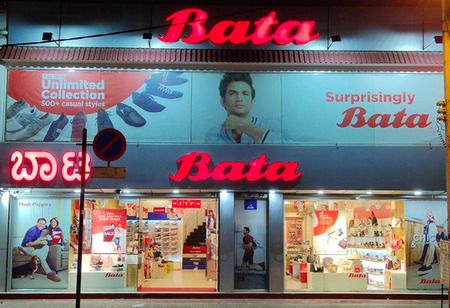
Bata India announced a 23 percent year-on-year rise in profit after tax to Rs.63.7 crore for the quarter that concluded on June 30, 2026, driven by premiumisation, increased average selling prices, and enhanced consumer engagement, allowing the footwear manufacturer to achieve its third consecutive quarter of accelerating growth.
Quarterly revenue increased by approximately four percent to Rs.978.9 crore, up from Rs.944.7 crore in the same quarter last year. Profit before tax, excluding non-recurring items, rose by over 22 percent to Rs.90.6 crore, up from Rs.74.5 crore.
Also Read: Indofast Energy, GLIDA to Set Up 100+ Battery Swapping Stations
Bata's operational cash profit increased by 7.6 percent to Rs.216.6 crore, and the firm announced an interim dividend of Rs.25 per share, totaling Rs.321.3 crore.
For the marketing and advertising sector, a key insight from the quarter is Bata's heightened investment in consumer engagement. According to managing director and CEO Gunjan Shah, advertising expenditures increased by almost 25 percent compared to the previous year.
The heightened investment arises as Bata seeks to enhance the significance of its brands while concurrently encouraging consumers to opt for higher-value products.
The firm indicated that revenue increase was driven by a mix of premiumization and volume expansion, implying that higher-value items are playing a role alongside wider consumer interest.
Bata is progressively aligning its offerings to make premium fashion and international trends available to Indian buyers. The brand portfolio of the company consists of Bata Red Label, Bata Comfit, Power, NorthStar, Floatz, Bubblegummers, and Hush Puppies, addressing various consumer segments and events.
Bata claims it sells nearly 50 million pairs each year and caters to over 250,000 customers daily through its retail network and various other channels. The company’s financial results are reflecting the premiumisation strategy. Bata indicated a 130-basis-point enhancement in gross margin, driven by its peak full-price sales and reduced markdowns. This suggests that the company is not merely boosting sales through discounts, but is experiencing greater consumer willingness to purchase products at their regular prices.
Also Read: ONGC, Shell Energy Explore Deepwater Oil, Gas and LNG in India
Growth in the quarter was widespread across channels, with Bata notably pointing out considerable advances in e-commerce. The business operates a network of around 2,000 owned and franchised locations, in addition to numerous multi-brand retail outlets and an omnichannel presence that includes its direct-to-consumer platform and various marketplaces.
The blend provides Bata numerous consumer interaction points as shoe shopping progressively shifts among brick-and-mortar stores, brand websites, and third-party platforms.
For a well-known footwear brand, the challenge lies in maintaining the extent and recognition of its physical network while leveraging digital platforms to attract consumers who desire more options and convenience.
Also Read: SLMG Beverages Names Lagan Shastri as Chief Executive Officer
Bata also indicated a notable enhancement in inventory control. Gross inventory was over 10 percent less than on June 30, 2025, with the company stating that inventory metrics enhanced in terms of both quantity and quality.
The Zero Base Merchandising Project of Bata has now been expanded to 775 stores at the retail level. The firm stated that the program is producing enhancements in customer experience and income per square foot. The company also achieved its highest sales at full price with reduced markdowns, contributing to the 130-basis-point increase in gross margin.
The mix of reduced inventory, increased full-price sales, and improved gross margins indicates that Bata is concentrating on not only revenue growth but also the quality of that growth.