

India is Seeking New Steel Export Markets in the Middle East and Asia
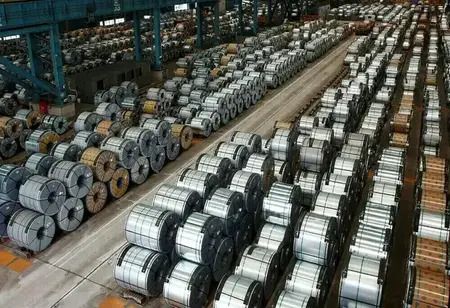
Reports indicate that India is looking for new steel export markets in Asia and the Middle East to mitigate the effects of the European Union's carbon tax that began in January.
India, the second-largest producer of crude steel globally, exports about two-thirds of its steel to Europe, where exports have faced challenges due to the EU's Carbon Border Adjustment Mechanism.
Steel Secretary Sandeep Poundrik mentioned last week that the government needs to intervene to assist exports affected by Europe's carbon tax.
"We are exploring new markets for exports and attempting to establish agreements with nations in the Middle East where significant infrastructure development is occurring, as well as in Asia," stated the source involved in the decision-making process, requesting anonymity as the discussions are private.
"Up until now, our exports have concentrated on Europe, but we are attempting to diversify," the source mentioned.
A top executive at a leading steel company stated that mills are seeking government assistance to help them compete in non-EU markets where China has held a significant advantage.
Also Read: A Brief History of India's Transformation Under PM Narendra Modi
China's steel exports, being the top producer globally, have remained strong since 2023 and reached a record monthly peak in December. Beijing intends to implement a licensing system this year to control alloy exports, as robust shipments have sparked an increasing global protectionist response.
Also Read: 5 Latest CHRO Appointments in Global Corporations
Detailing India's expanding initiatives to ensure access to raw materials like coking coal, limestone, manganese, and other essential minerals, the source noted that New Delhi is progressively seeking long-term offtake contracts and asset purchases.
Also Read: How This Techie Turned Visa Struggles into Startup Success
The government-owned Steel Authority of India (SAIL) and mining company NMDC are exploring opportunities in Brazil, Argentina, Australia, and the Middle East.
At present, about 95% of the industry's need for coking coal is fulfilled by imports, with Australia providing over 50%.