

Japan, US Conduct Rare Joint Intervention to Halt Yen Slide
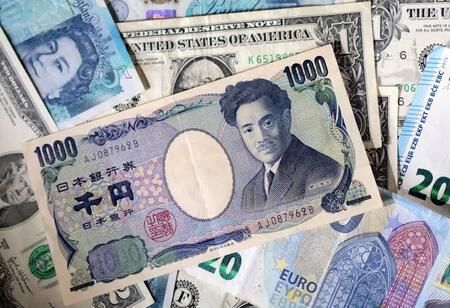 Japan and the United States have carried out a coordinated yen-buying intervention and stand ready to act again if necessary, Japan’s finance ministry said confirming a rare joint move aimed at halting the currency’s slide to fresh 40-year lows.
The intervention highlights both nations’ determination to prevent excessive volatility in the yen and instability in Japanese government bonds (JGBs) from triggering wider global repercussions.
Analysts noted that a continued selloff could spill over into international markets, potentially adding further upward pressure on already rising US Treasury yields.
This marks the first such coordinated action since 2011, when global authorities intervened to weaken the yen following the devastating earthquake and tsunami in eastern Japan.
Also Read: SAIL, Krakatau Steel to Invest $350 Million in Indonesia Plant
The latest move, however, is intended to support the currency rather than curb its strength.
US President Donald Trump said on Sunday that Washington was assisting Japan in stabilizing the yen as a gesture of friendship and to support the broader global economy.
Also Read: BlackLine Launches Governed AI for Finance
Analysts also pointed out that beyond aiding a key strategic ally in Asia, the intervention could help address concerns in the United States about the yen’s prolonged weakness, which has partially offset the intended effects of Trump’s tariff policies.
In an official statement, Japan’s finance ministry said the joint action with the US Treasury Department was designed to counter “excessive volatility and disorderly movements” in the yen in recent months. Finance Minister Satsuki Katayama reiterated the government’s stance, saying authorities would not hesitate to undertake further coordinated interventions if required.
Also Read: US Examines China-Affiliated Units in Vietnam Amid Rising Tariff Risks
Following the announcement, the yen strengthened by more than 1% to 155.20 per dollar, its highest level since early May, and significantly above the 40-year low of around 164 reached last month.