

Netflix's Reed Hastings to Step Down
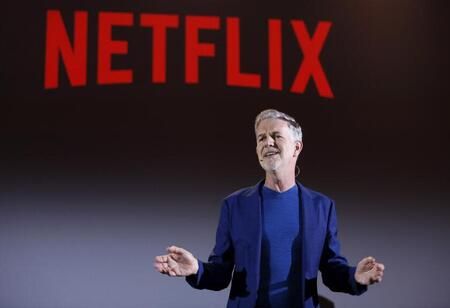
Reed Hastings' exit from Netflix signifies the conclusion of a chapter for a firm that played a pivotal role in transforming the financial landscape of worldwide entertainment, despite its recent financial outcomes indicating a business that has stabilized following a time of doubt.
Hastings, who helped establish Netflix almost thirty years ago and guided its transition from a DVD rental service to a leading streaming platform, will not seek re-election at the company’s annual meeting in June, as stated in a letter to investors issued on Thursday. The company stated that he intends to focus on philanthropy and other interests, providing minimal information about his future endeavors.
Investors, though, paid less attention to succession planning and more to the significance of his departure. Following the announcement, Netflix shares dropped approximately 8 percent, highlighting how closely Hastings is associated with the company’s strategic path, even after reducing his involvement in daily operations.
The moment of his exit is significant. Netflix has been striving to regain momentum after a significant $72 billion agreement with Warner Bros Discovery shifted to Paramount Skydance, a setback that cast doubt on its goals for extensive content consolidation.
The core operations of the company seem strong. In the first quarter, revenue increased by 16 percent to $12.25 billion, slightly surpassing analyst projections, and earnings per share nearly doubled from 66 cents a year prior to $1.23. Netflix restated its annual forecast, highlighting what it called “double-digit” revenue growth, increasing margins, and robust free cash flow production.
Also Read: 5 Latest CHRO Appointments in Global Corporations
In its letter to shareholders, Netflix conveyed a sense of continuity. The company's mission, as stated, stays “ambitious and unchanged” — to cater to a worldwide audience with a diverse selection of films and television series spanning various languages and cultures. That perspective indicates a calculated attempt to comfort investors that the company's long-term plan will persist beyond its creator.
Also Read: How This Techie Turned Visa Struggles into Startup Success
Simultaneously, Netflix is indicating a readiness to adapt. The firm highlighted fresh investment sectors, such as video podcasts and live events like the World Baseball Classic in Japan, as new factors boosting engagement. These initiatives indicate a wider industry movement toward hybrid formats that intertwine traditional television, digital video, and live events.
Advertising, previously seen as secondary to Netflix's subscription-based model, is increasingly central to its expansion strategy. The firm indicated it anticipates ad revenue will hit $3 billion by 2026, approximately twice what it was the previous year, as it enhances its technology and broadens monetization options.
Also Read: 5 Key Leadership Appointments across Global Firms in March 2026
Still unresolved is how Netflix will deploy the $2.8 billion termination fee it received after the collapse of the Warner Bros deal. The absence of guidance on that point leaves open questions about capital allocation at a moment when competition for premium content remains intense.