

OpenAI Appoints Arvind KC as Chief People Officer
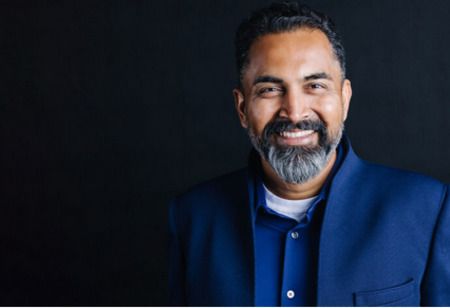
OpenAI announced that it has selected Arvind KC to serve as the Chief People Officer. KC, previously an executive at Roblox Corp., will be responsible for managing the company's recruitment, onboarding, and staff growth initiatives, as OpenAI strives for further growth and expansion.
KC is set to report to Jason Kwon, Chief Strategy Officer at OpenAI, according to reports.
The artificial intelligence startup is in the process of securing funding that is projected to exceed $100 billion, and has made strides towards going public.
Also Read: Hyatt Appoints Maria Zarraluqui as SVP
KC's appointment comes after the previous person in the position left. In August, Julia Villagra, who held the position of Chief People Officer at OpenAI, departed from the company, leading to the commencement of the search for a suitable replacement.
Villagra's exit coincided with a heightened rivalry amongst laboratories and technology behemoths in Silicon Valley as they competed for skilled engineers and leaders in the field of artificial intelligence.
KC has occupied high-ranking positions at companies such as Roblox, Google, Palantir Technologies, and Meta Platforms, according to OpenAI, which characterized him as possessing a unique blend of technical acumen and leadership skills.
In a formal announcement regarding the recruitment of KC, Fidji Simo, the chief executive officer of applications at OpenAI, emphasized the importance of aligning the growth of the organization with the vision of the future they aim to shape.
Previously, OpenAI is engaging the services of major global consulting companies in its efforts to lead the way in the corporate artificial intelligence market. The company declared collaborative agreements with notable consulting entities, including Boston Consulting Group, McKinsey & Co., Accenture, and Capgemini.
These partnerships entail the consulting firms assisting in the marketing and deployment of OpenAI's innovative Frontier AI agent platform. The consultants will aid their clientele in the redesign of operational processes, the incorporation of AI agents with software applications and systems, guidance in change management, and provision of specialized knowledge in sectors where OpenAI lacks internal expertise.
Also Read: India-Germany Ties at All-Time High
Recently introduced by OpenAI, Frontier is a comprehensive system designed to empower businesses and organizations in the development, deployment, monitoring, and management of AI agents. This platform represents OpenAI's strategic move to gain a competitive edge in the enterprise AI sector, particularly against its main rival, Anthropic. Anthropic has been successful in penetrating the business market with its innovative Claude Code and Claude Cowork products over the last year.
Simultaneously, the emerging alliance may pose challenges for well-known software-as-a-service providers like Salesforce, Workday, Microsoft, and ServiceNow. These companies rely on systems integrators, such as major consulting firms, for assistance in promoting and implementing their software among large corporations and government entities.
OpenAI has established new collaborative relationships known as Frontier Alliances with various consulting firms. These firms are committing resources to establish specialized practice groups and to train teams on OpenAI technology. Additionally, OpenAI will deploy its own team of forward deployed engineers to collaborate with the consulting firms' teams in client projects.
Also Read: Carlyle Appoints Jumpei Ogura as Co-Head of Advisory Team
BCG and McKinsey are primarily seen as strategic partners assisting leadership teams in determining the most effective deployment of resources on a large scale. Meanwhile, Accenture and Capgemini play a more comprehensive role in system integration, focusing on details such as data architecture, cloud infrastructure, and aligning Frontier with enterprise systems.
OpenAI characterizes Frontier as a comprehensive platform designed as a semantic layer for businesses, enabling AI agents to seamlessly navigate through various business software, perform workflows, and facilitate decision-making across the organization's entire array of technological tools, such as CRM systems, HR platforms, and internal ticketing tools. Some of the initial adopters of this platform among enterprises are Intuit, State Farm, Thermo Fisher, and Uber.