

Tata Motors EV Demand Exceeds 30 Percent, Sierra EV Fuels Growth
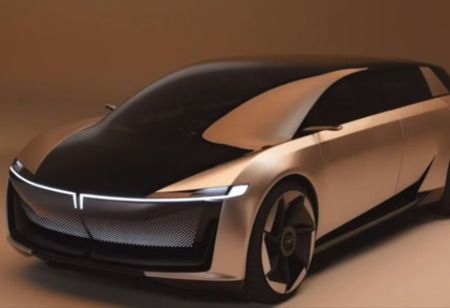
Tata Motors Passenger Vehicles is rapidly increasing manufacturing capabilities and bolstering its supplier relationships as the demand for its electric vehicles (EVs) surpasses production capacity, with the introduction of the Sierra EV likely to create additional pressure on resources.
The company unveiled the Sierra EV, starting at an introductory price of Rs.18.7 lakh, with prices reaching up to Rs.24.7 lakh (ex-showroom). With this pricing, the electric SUV will rival the Mahindra BE 6, Hyundai Creta Electric, and MG ZS EV within India's rapidly expanding midsize electric SUV market.
Also Read: Mercedes-Benz brings 140 Years Drive to India With S-Class Tour
Shailesh Chandra, Managing Director and Chief Executive Officer, stated that Tata Motors has progressed past generating demand for electric vehicles and is currently concentrating on fulfilling it, with orders for its EV lineup significantly outpacing the supply.
"Our focus has transitioned from generating demand to meeting demand," Chandra remarked, noting that the firm is increasing production, bringing in alternative suppliers for essential parts, and enhancing manufacturing capability to alleviate supply constraints.
The supply shortage has been especially noticeable for the newly released Harrier EV, with demand almost double the firm's existing production capability. Chandra stated that the Sierra EV is likely to see robust demand, increasing strain on the company's production capabilities.
To overcome the limitations, Tata Motors has begun plans for capacity expansion in the upcoming quarters while also qualifying more suppliers to lessen reliance on individual sources for long lead-time parts.
"We are currently producing around 60,000 to 65,000 vehicles every month. The immediate objective is to consistently reach about 70,000 units a month, supported by capacity expansion and supplier ramp-up, with a significant share of the increase coming from EVs," Chandra says.
Also Read: Oyo Parent PRISM Files Updated IPO Papers, Raises Rs.6,650 Crore
He stated that these measures are designed to reduce the disparity between supply and demand as the uptake of electric vehicles accelerates.
Chandra highlighted that the adoption of electric passenger vehicles increased significantly from 2.5 percent in FY25 to 4.5 percent in FY26 and is projected to reach nearly 8 percent by the conclusion of the ongoing financial year. Tata Motors anticipates the overall passenger vehicle sector to expand by approximately 10 percent in this financial year, with electric vehicles making up a larger portion of the additional demand.
The firm has detailed an ambitious electrification plan, aiming for electric vehicles to represent over 30 percent of its passenger vehicle sales by FY31. As a component of that strategy, Tata Motors aims to grow its EV lineup to 10 models while consistently enhancing current offerings to boost range, technology, and value.
For Tata Motors, the pressing challenge is to maintain production that aligns with demand.
Also Read: BigTrunk Communications Bags Media Mandate for Wonder Cement
"The actual issue that needs addressing is capacity," Chandra stated, noting that growing manufacturing has emerged as the company's main focus as India's EV market accelerates.