

The Art of People-Centric Leadership: An Army Officer’s Journey into HR
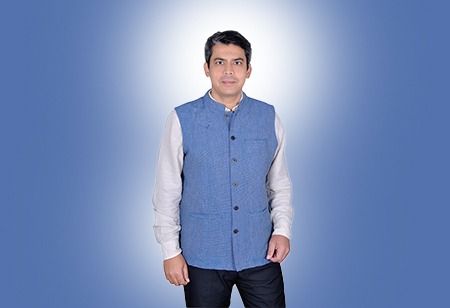 Leadership is shaped not only by positions and titles, but by the experiences that teach individuals how to earn trust, navigate uncertainty, and bring people together toward a shared purpose.
For Shailesh Jadhav, a 25+ year journey across the Indian Army, technology, telecom, aerospace, manufacturing, and global organizations has shaped a leadership philosophy grounded in integrity, accountability, resilience, and people-centricity. As Head of Human Resources at Mirafra Technologies and a Certified Professional Coach, he brings together military discipline, corporate expertise, and a deep commitment to developing people and organizations.
In an exclusive interaction with CEO Insights India Magazine, Shailesh shares his perspectives on transitioning from military to corporate leadership, building trust across diverse teams, balancing people expectations with business priorities, creating clarity amid organizational change, and redefining professional success through the growth of others. He also reflects on the enduring qualities young leaders need to build trust and lead with purpose.
For deeper insights into his leadership journey and philosophy, read the full interview below.
Q1.After transitioning from the Army into HR, how did your early experiences shape your understanding of what it truly means to lead people?
A.My transition from the Army to HR reinforced one fundamental lesson: leadership is about earning trust, not merely exercising authority. In the Army, the leader's orders are ultimate, and the chain of command ensures swift execution. In the corporate world, however, leaders cannot rely solely on formal authority. They must influence, persuade, and inspire people with diverse aspirations and perspectives. This shift taught me the importance of listening, building relationships, and creating alignment with the people and system.
My early HR experiences helped me balance business objectives with employee well-being. Today, I believe true leadership is about fostering trust, empowering people, and creating a culture where individuals willingly give their best.
Also Read: From HR Leadership To Technological Transformation
Q2.As you moved across different industries, cultures, and global environments, how did your approach to influencing people and leading change evolve?
A.Working across different industries, cultures and global teams of our great India, USA, Canada and Europe taught me that I cannot approach every situation in the same way. I learned to first listen, understand the business and the people involved, and then decide how best to bring about change. Over time, working with corporate and international teams made me more comfortable with collaboration and consensus building.
I found that using facts and data, supported by simple and relatable examples, helped people connect better with the change. I also learned the value of achieving a few quick wins, building trust gradually and making changes through smaller, practical steps. Most importantly, I learned that people respond better when they feel heard and involved. This experience has helped me balance empathy with structure and create an environment where change is understood, accepted and sustained rather than simply imposed.
Q3.Working with diverse teams and leaders, what did those experiences teach you about earning trust, creating alignment, and leading without relying solely on authority?
A. Leading without relying on authority means influencing through expertise, reliability and empathy—delivering on small promises, explaining trade-offs honestly, and building coalitions of early supporters who amplify the change.
Working with diverse teams and leaders underlined that trust is earned through consistent behavior and transparent intent, not position.
I learned to create alignment by clarifying shared purpose first, establishing explicit decision norms, and inviting contributions from quieter voices so ownership is genuine. Making processes fair and visible, using data and stories together to create shared understanding, and depict the behaviors you expect so people see, not just hear these are some practical steps that have always helped me.
Q4.As your career progressed into senior leadership, how did you learn to balance people expectations, business priorities, and difficult decisions?
A. Balancing people’s expectations with business priorities often involves making difficult choices. I have learned to look at such decisions from three perspectives: business impact, cost, and impact on people. I involve the right stakeholders early, make the reasoning behind difficult decisions clear, and take ownership of the outcome. At the same time, I believe in protecting long-term investments in people while addressing immediate business needs. I give people the authority to make decisions, but with clear accountability. I also keep communication and feedback open so that we can adjust when circumstances change.
Finally, how a difficult decision is communicated matters as much as the decision itself. Trying to be direct but empathetic, providing support where possible, and recognizing achievements go a long way.
Q5.Having led through organizational transformation and change, what experiences taught you that effective leadership is often about creating clarity amid uncertainty?
A. I see this point from “VUCA” word – a leader generally keeps dealing with this on some or other front but by staying calm, keeping the direction clear, adapting quickly to changing circumstances, and giving people confidence even when the path ahead is uncertain.
Leading organizational transformations showed me that effective leadership creates clarity amid uncertainty by defining a clear north star and translating it into actionable milestones. Clarity comes from communicating what will change, what won’t, why the change matters, and how progress will be tracked. Breaking ambiguity into experiments and pilot projects to reduce fear, equipping middle managers to translate strategy into daily work, and keeping progress visible through numbers and stories would take the leader through. I make an effort to provide forums for honest questions that prevents rumor and paralysis. The strong belief is - clarity paired with empathy sustains momentum in ambiguous times.
Also Read: Driving Business Expansion & Organizational Transformation With Strategic Leadership
Q6.As a leadership coach, how has helping others navigate their journeys changed the way you reflect on your own leadership and decision-making?
A.Learning never stops – even a Coach keep learning during the Coaching journey. Coaching others has influenced my leadership style in many ways. It taught me to listen more carefully, ask the effective questions and give people the space to think through their own choices. I have also become more patient with gradual progress and learned the importance of setting clear goals, providing support and maintaining accountability.
Coaching has helped me recognize my own blind spots and appreciate that development is not always measured only by immediate results. It has encouraged me to focus more on creating opportunities for others to grow and take ownership. Over time, this has made my leadership style more humble, inclusive and focused on developing people.
Q7. Looking back across two decades, which leadership experiences most profoundly changed how you define success, influence, and professional impact?
A. Yes, two decades, in fact now nearing to three decades, provided me with varied experiences moving from the lowest rank to the leadership role at the work front. Many are there to quote but a few truly challenging and rewarding experiences redefined how I measure success and influence: Military Leadership instilled discipline, responsibility, team work and winners attitude; crisis situations taught calm decisiveness; building HR function from scratch at Mirafra emphasized strategic patience and ownership; and global assignments expanded cultural agility. The moment I shifted from seeking recognition to measuring my impact by the capabilities I helped build in others was pivotal. Seeing people grow, take ownership, and lead in my absence became the truest success metric for me. Influence, I learned, rests on empathy, consistent delivery and competence; professional impact is the sustainable capacity you leave behind, not short-term personal credit.
Q8. For young professionals stepping into leadership roles today, which qualities should they develop early to become leaders others genuinely trust and follow?
A.For young professionals stepping into leadership roles today, I would suggest developing three qualities early: integrity, competence and the ability to care for people. In the Army, I learned that people follow a leader not because of the rank or position, but because they trust the person leading them. Be clear in your decisions, take responsibility when things go wrong, and give credit to your team when things go right. Learn to listen, especially when you may not agree. Stay calm under pressure and be willing to make difficult decisions when required. At the same time, understand the people you lead—their strengths, concerns and aspirations. Most importantly, lead by example. Your team will watch what you do far more closely than what you say.
Last Word: Having experienced leadership across military, corporate, global, and coaching environments, what enduring advice would you offer young leaders beginning their journeys today?
My advice to young leaders would be to stay grounded, remain curious and never lose the human side of leadership. Listen before you judge, understand people before you try to change them, and remember that everyone you work with is carrying their own aspirations, pressures and challenges. Take difficult decisions, but take them with empathy and fairness.
Leader is a lifelong learner and stays humble. Authority is temporary. Leadership is a responsibility, not a privilege. If you can make people feel respected, give them confidence in themselves and leave the organization and its people stronger than you found them, you are on the right path.