

FSSAI Firm on ‘Energy Drink’ Crackdown Despite Protest
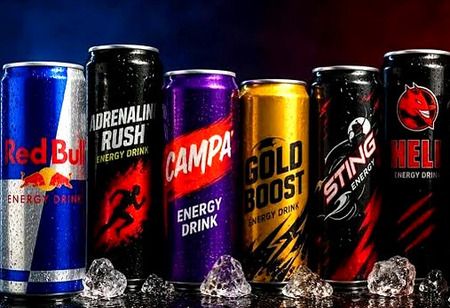
India has instructed producers of high-caffeine beverages marketed as “energy drinks” to cease using that label, dismissing attempts to delay regulatory action in a rapidly expanding market anticipated to reach $1.6 billion by 2028, according to reports.
India’s food safety authority announced on social media in early July that it had sent notices to companies, stating that there are no Indian standards for such products and that claims a beverage “vitalizes body and mind” or can “aid in general weakness” are deceptive. It provided no additional information.
The action has led to a standoff with businesses, who worry that eliminating the category label might harm brands centered on instant-energy claims and affect sales. During a private meeting with top industry leaders on Friday, FSSAI Chief Executive Rajit Punhani dismissed concerns regarding the effect on businesses, stating that companies had the option to contest the ruling in court.
Also Read: CrowdStrike, Cerebras Partner to Boost AI Threat Detection
A government official stated that the sector consented to adhere to the labelling modification following the Friday talks, and the FSSAI has allotted them 90 days to comply. Energy drinks have raised health worries among certain regulators worldwide due to their high levels of caffeine, sugar, and taurine, an amino acid. In England, high-caffeine energy drinks will be prohibited for those under 16 starting next April, while some areas in Pakistan require them to be labeled as “stimulant drinks.”
The energy drinks industry relies on immediate-energy promotion. Red Bull’s iconic “Gives You Wings” slogan is renowned worldwide, whereas Pepsi showcases its Sting energy drink in Indian advertisements, depicting it as delivering lightning through the body, providing “electrifying energy.”
The Indian Beverage Association, representing leading firms, stated its dedication to adhering to regulations and working positively with regulators on evidence-based policy.
However, in a private letter dated July 6 to FSSAI, it stated that publicly revealing preliminary notices might harm reputations, interrupt operations, and mislead consumers. It called for a "risk-based enforcement strategy."
Also Read: Volkswagen Teams With Horizon Robotics for China AI Driving Push
"The association stated that frequent consultations with stakeholders prior to making major interpretational changes would ease compliance and minimize litigation, emphasizing the necessity of a 'predictable, consultative, and transparent' framework."
India’s energy-drink sector surged following Pepsi’s introduction of Sting in 2017. The Rs.20 plastic bottles gained popularity with 15- to 19-year-olds and in rural regions, contributing to its status as a market leader, according to Euromonitor.
Also Read: JPMorgan to Hire 1,000 Tech Staff for India GCC Amid AI Shift
Retail sales are expected to hit $1.6 billion by 2028, increasing by 12.6 percent each year, outpacing growth in both the US and China. According to Euromonitor, volumes increased by almost 100 percent each year from 2018 to 2023.