

India Aims for 100 GW Nuclear Power by 2047 Amid AI Growth
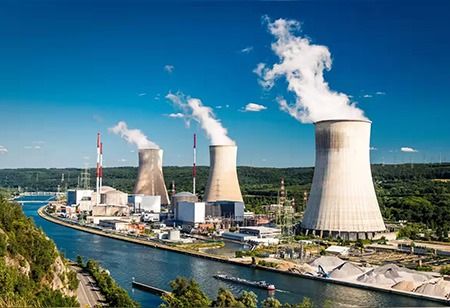 Union Minister Jitendra Singh has highlighted that nuclear energy is a possible option for generating reliable electricity to power India's growing AI (AI) infrastructure and data centres with the government's 100GW nuclear power target by 2047.
Jitendra told the Bloomberg Economy Forum 2026 on the sidelines that the country will have to rely on other sources of energy for its increasing demand for electricity and nuclear power will complement them. He again reiterated India's nuclear program was for peaceful uses and for the development of the nation.
As AI becomes more prevalent, the demand for continuous power to fuel data centres and advanced computing systems is becoming a growing concern, driving the emphasis on nuclear energy. India is also working towards the goal of Net Zero by 2070, which underscores the need for energy security and building reliable power infrastructure.
Key Highlights
- India plans to achieve 100 GW nuclear capacity by 2047
- Rising AI adoption is increasing demand for dependable electricity infrastructure
- Jitendra Singh stresses responsible AI use and human oversight
As AI adoption grows, energy infrastructure becomes a focal point. With the increasing adoption of AI, energy infrastructure becomes a central part of the focus.
Jitendra singled out data centres as one of the major factors driving up electricity consumption. Such facilities need constant electricity to enable computing functions, digital platforms and AI-powered services to be available. Reliable energy systems will be crucial to ensure performance and service continuity as organisations increasingly adopt AI into their operations.
To achieve these requirements, nuclear energy could play a complementary role to existing energy sources and support a secure supply of electric power. The remarks by Jitendra underscore the increasing nexus between India's energy policy and its efforts to boost digital infrastructure and technological prowess.
Also Read: AWS, EkStep Collaborate to Drive Digital Infrastructure Innovation
He also pointed out that AI is applied to several areas such as space, life science, scientific research etc. It's benefits rely not just on technological advancement, but also on the effectiveness of its application, he said.
“One has to be intelligent enough to use Artificial Intelligence,” Jitendra pointed out the need for human judgment in the use of AI.
Nuclear expansion helps achieve long-term energy goals.
India's goal of achieving 100 GW nuclear power capacity by 2047 is part of its energy policy aimed at fulfilling the nation's growing energy needs and promoting economic development. Nuclear energy will complement other power resources as industry and digital services and technology intensive operations grow.
Jitendra also mentioned Homi Bhabha, considered as the father of India's nuclear program. His vision is always connected to peaceful application of nuclear technology, scientific research and progress of the nation.
The nuclear capacity target is also in line with India's Net Zero target of 2070. Achievement of these objectives will rely on the development of nuclear power alongside other energy forms and building up infrastructure to support long-term demand. It is bad for the private sector to be responsible for AI. The private sector is not a good place to have responsible AI.
Jitendra emphasised the need for countermeasures to protect against the misuse of the technology in expanding the use of AI. While AI is a promising tool in scientific research and industry, responsible implementation demands the right regulations and individual integrity and national accountability.
Also Read: The Next Phase of U.S. AI Leadership: From Innovation to Responsibility
He also mentioned India's initiatives to foster the development of AI under the leadership of Prime Minister Narendra Modi.
Moving to the private sector, Jitendra said there are more opportunities in the critical and sensitive areas. Innovation, technological advancement and economic growth could be provided by increasing the involvement of industries.