

Marco Rubio Meets Adani, Tata and Ambani During India Visit
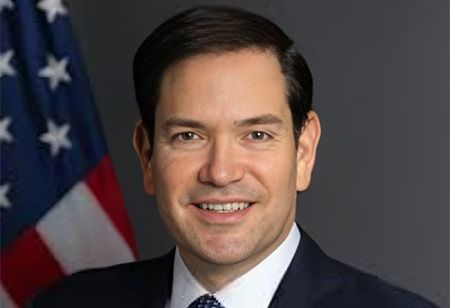
Marco Rubio, US Secretary of State, is visiting India for meetings with three leading Indian businessmen Gautam Adani, Chairman of the Adani Group, N Chandrasekaran, Chairman of Tata Sons and Mukesh Ambani, Chairman of Reliance Industries on various issues related to the strengthening of energy cooperation, attracting commercial investment and finalisation of bilateral trade agreement with India. His schedule covers meetings in Mumbai and a visit to Reliance Industries' Jamnagar refinery, placing corporate engagement at the forefront of the diplomatic trip.
Unlike his previous visit in May, when Marco travelled to New Delhi and met Prime Minister Narendra Modi, the current itinerary focuses on Mumbai and Jamnagar. US Ambassador to India Sergio Gor indicated before Macro’s arrival that the visit would be more business-focused than his previous trip. The US State Department also identified engagement with business leaders to promote commercial investment and strengthen economic cooperation as an objective.
Key Highlights
- Marco Rubio schedules meetings with Adani, Tata Sons and Reliance leaders
- US explores Venezuelan crude processing opportunities with Reliance Industries
- Macro says India-US trade agreement is nearly 99% complete
Macro’s scheduled meetings with Adani and Chandrasekaran bring two prominent Indian business leaders into discussions taking place amid efforts to strengthen India-US economic relations. Their leadership spans sectors with significant commercial connections between the two countries.
Adani has interests in infrastructure and ports, power and renewable energy, and Chandrasekaran is the head of the Tata Group through his parent company, Tata Sons. But the meeting details and topics have not been made public with Macro. The companies have not revealed any agreements or investments as a result of the engagements, nor has the US government.
One of the key highlights of the trip is Macro’s planned visit to the reliability Industries' Jamnagar refining complex, especially at a time when Washington is looking to deepen energy ties with India. The plant can refine around 1.4 million b/d.
In Mumbai, during the visit, Macros said the U.S. was already having talks with Reliance about processing bigger quantities of Venezuelan crude oil, and called India a “refining superpower.”
Also Read: CleanMax, Sangam India Join for Hybrid Renewable Energy Supply
Venezuela produces heavy crude that requires specialised refining capabilities, making Reliance's facilities relevant to Washington's efforts to diversify energy supplies. Macro acknowledged that India may not be able to cut off its existing suppliers, including Russia, until it diversified its oil supplies with American and Venezuelan crude, but urged India to do so.
The talks are also taking place in the midst of disruptions associated with the war in West Asia and fears about higher petroleum prices. Energy security and sourcing crude oil and the expansion of commercial partnerships are therefore some of the key factors to be taken into consideration in the overall bilateral relationship.
Reliance's participation in a proposed refinery project in Brownsville, Texas, could provide another dimension to Macro’s engagement with Ambani. In March, US President Donald Trump announced the project, which is being developed by America First Refining, and thanked Reliance for its involvement.
Trump described the arrangement as a $300-billion deal. However, the figure refers to projected crude purchases and refined-product sales over several years, rather than a confirmed capital investment of $300 billion by Reliance.
The proposed facility reflects the potential for long-term commercial cooperation between Indian business leaders and the US energy sector.
Also Read: Trump to Attend NATO Summit in July, Rubio Says
Macro’s corporate engagements coincide with continued negotiations on a bilateral trade agreement between India and the United States. Differences over tariffs, market access and India's purchases of Russian crude have complicated the discussions.
During the visit, in an interview published, Macros said that the work of the agreement was approximately 99% finished. He said that the rest of the discrepancies were over meanings of some words and phrases and that the two nations could iron out the details in weeks not months.
Both governments have not yet said when they will sign, but Macro’s assessment means that negotiations are going well. The visit would have a significant impact on bilateral relations and on the flow of investment and business opportunities, and could also affect the volume of trade.