

India to Roll Out E85 Fuel in Push for Flex Fuel Mobility
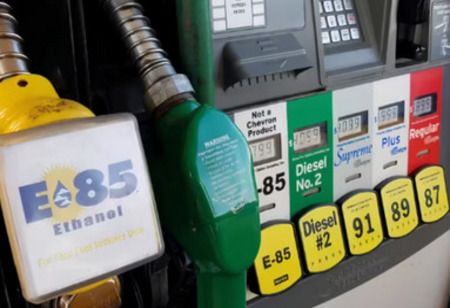
India's oil marketing firms will start launching E85 fuel—an 80-85 percent ethanol-blended type of petrol—on Friday, signaling a new stage in the drive for flex-fuel transportation.
Indian Oil Corp. Ltd. announced that the initial stage of the E85 launch will include around 50 retail locations in Delhi-NCR, Mumbai, Pune, and Nagpur.
Also Read: Ola Electric Secures Approval for Commercial E-Scooter Launch
“Indian Oil, in collaboration with other oil marketing firms, is preparing to introduce E85, an ethanol-blended petrol designed for flex fuel vehicles (FFVs), to coincide with World Environment Day,” the oil retailer announced.
Earlier, reports indicated that the Center is working on a comprehensive policy initiative to promote the adoption of flex-fuel vehicles able to operate on ethanol blends of up to E85 petrol.
The Minister of Petroleum & Natural Gas will be present at the launch ceremony, joined by the Secretary of MoP&NG, senior ministry officials, and prominent executives from the oil marketing firms.
Also Read: Adani Green Energy Launches Battery Storage System in Gujarat
The action follows as car manufacturers such as Maruti Suzuki India Ltd. and Hero MotoCorp Ltd. have launched flex-fuel versions of their popular WagonR and Splendor models. The drive for flex-fuel vehicles is gaining traction as India aims to reduce its reliance on imported crude oil.
The nation relies on imports for almost 90 percent of its oil needs, amounting to over $120 billion each year—mostly obtained from West Asia via the Strait of Hormuz, which is practically shut down because of the conflict in Iran. Global crude oil prices have stayed unstable due to the conflict, temporarily exceeding $100 per barrel before declining following a ceasefire, although the threat of another increase continues.
“E85, containing 80-85 percent ethanol and 15-20 percent motor gasoline, marks an important milestone in India's ethanol adoption journey", according to the Indian Oil.
"The initiative supports Aatmanirbhar Bharat, promotes cleaner mobility, strengthens the biofuel ecosystem, and benefits. farmers, and offers consumers a more sustainable fuel option”.
This volatility presents a financial threat to India: a consistent $1 rise per barrel over a year would increase the crude oil import costs by approximately Rs.18,000 crore. In FY26, India imported crude oil valued at Rs.10.92 trillion, almost 10 percent less than the Rs.11.61 trillion from the prior fiscal year.
Also Read: Devyani International Freezes New Pizza Hut Stores in FY27
Transport constitutes a significant portion of petrol consumption, making the reduction of fossil fuel reliance in mobility a key focus of the strategy.
Brazil is frequently referenced as a successful case of flex-fuel implementation, which began in 2003. Currently, over 90 percent of vehicles, including cars and two-wheelers, can operate on ethanol, petrol, or fuel blends, backed by a robust sugarcane ethanol infrastructure.