

How Great Leaders Build High-Performance Workplace Cultures
 The article explores how effective leaders establish high-performance cultures by focusing on trust, accountability, collaboration, and consistent leadership actions. It emphasizes the significance of empowering teams, promoting psychological safety, embracing flexibility, and building resilient organizations capable of succeeding in the face of fast-paced technological and economic changes.
High-performance cultures have become a competitive advantage in today’s rapidly changing workplace. As organizations navigate economic uncertainty, evolving employee expectations, and the growing influence of artificial intelligence, leaders are under increasing pressure to build resilient, adaptable, and deeply engaged teams.
But what truly creates a high-performance culture?
It goes beyond productivity metrics and motivational slogans. Strong workplace cultures are built on trust, accountability, psychological safety, and leadership that consistently earns credibility through action.
Echoing this perspective, Abhishek Agarwal, President, Judge India & Global Delivery, The Judge Group, believes that sustainable high-performance cultures are built through trust, purpose, and everyday leadership behaviour.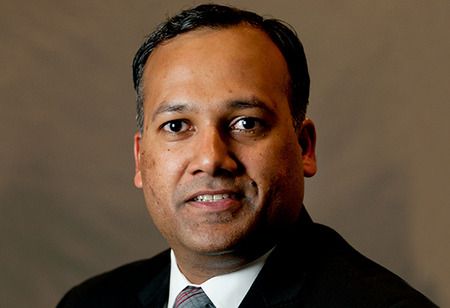
“High-performance cultures are not created through targets and processes alone; they are shaped by leadership behaviour, trust, and a shared sense of purpose. Employees today are looking beyond compensation — they want meaningful work, growth opportunities, flexibility, and leaders who genuinely listen. Organisations that consistently perform well are those where leaders create psychological safety, encourage collaboration, and empower teams to take ownership,” says Abhishek.
The urgency around building strong workplace cultures has never been greater. According to Gallup’s State of the Global Workplace 2026 report, global employee engagement fell to 20 percent in 2025 — its lowest level since 2020 — costing the global economy an estimated $10 trillion in lost productivity. The report also highlights declining manager engagement, reflecting the growing challenges leaders face in hybrid work environments shaped by rapid technological and economic change.
Culture Begins with Leadership Behavior
Employees today are not only evaluating business performance — they are closely observing how leaders respond to uncertainty, pressure, and change.
In periods of uncertainty, leadership behavior shapes organizational culture more than policies or mission statements ever can. Teams often mirror the attitudes, priorities, and emotional responses demonstrated by their leaders, making consistent leadership behavior essential to building trust, resilience, and long-term performance.
Also Read: Dr. John Yesudhas: Engineering the Next Growth Frontier in Tech-Driven Agriculture
Leaders often leave a significant and enduring mark on their organizations by consciously guiding corporate culture, even though it's frequently one of the most challenging and misinterpreted elements of leadership.
Many leaders underestimate the power of culture by treating it as branding rather than behavior. However, the contribution of workplace culture is far more profound.
Culture within a workplace is shaped by the visible actions and perceived attitudes exhibited by those in leadership roles within an organization:
What abilities and expertise are acknowledged and rewarded?
What are the decision-making processes, and what elements are most influential?
Who do we look up to as our examples and inspirations within the organization?
Turning Values into Daily Practice
Routine activities shape people's understanding of "how things are done here." Although tools and technology can speed up cultural shifts, lasting influence comes from leaders who consistently model desired behaviors.
 Echoing this approach, edtech entrepreneur, Co-founder & CEO of Codingal, Vivek Prakash, believes that culture is ultimately reflected in how organizations operate on a daily basis.
“High-performance culture is not built through slogans, but through daily operating discipline. For me, great culture means clear goals, strong accountability, fast feedback loops, and using AI/automation wherever possible so teams spend more time solving higher-order problems for students, parents, and teachers,” says Vivek.
The best approach for leaders to transform organizational culture is by demonstrating and encouraging actions and choices that reflect the desired cultural goals they aim to achieve. Well-structured leadership training programs are effective tools to reinforce desired behavior within organizations.
Leadership training, mentorship, and practical learning experiences help reinforce the behaviors organizations want to encourage.
Closing the Gap Between Values and Reality
Many leaders struggle to create an effective team because they mistake motivational declarations for practical realities.
Corporate offices often use inspirational values for aesthetic value. However, real employee conversations could tell a different story. Watercooler talk between employees truly demonstrates what they really think about how the business operates.
Exceptional leaders who create effective teams are aware of this gap. They avoid beginning with lofty and vague vision statements. Instead, they initiate genuine discussions about the present situation.
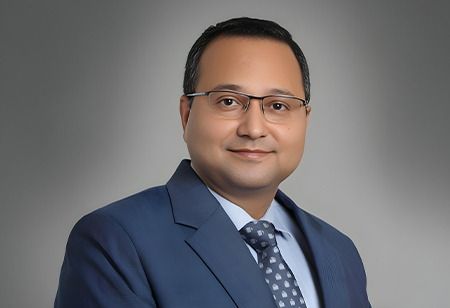 According to HR practices expert, Nishith Upadhyaya, Executive Director, Knowledge and Advisory Services, SHRM, APAC & MENA, culture is shaped less by formal declarations and more by everyday leadership behavior and employee experience.
“High-performance cultures are not created through targets and processes alone; they are shaped by leadership behavior, trust, and a shared sense of purpose. In today’s workplace, employees are looking beyond compensation—they want meaningful work, growth opportunities, flexibility, and leaders who genuinely listen,” says Nishith.
He further emphasizes that organizations that sustain performance are those where leaders foster psychological safety, encourage collaboration, and empower teams to take ownership.
Also Read: Preeti Das: Crafting High-Impact People Strategies For Organizational Growth
They move around the workplace posing challenging but vital inquiries:
Which actions and habits receive our approval and encouragement?
In critical moments, what do we actually deem most important?
How do our proclaimed values differ from how we genuinely act in our daily lives?
Creating Cohesive Teams, Not Just Star Performers
Most leaders start to stumble when building a high-performance team by concentrating only on recruiting people based on their abilities instead of emphasizing how well they align with the company’s broader strategy. They pursue individuals with impressive qualifications instead of seeking candidates who are good cultural fits.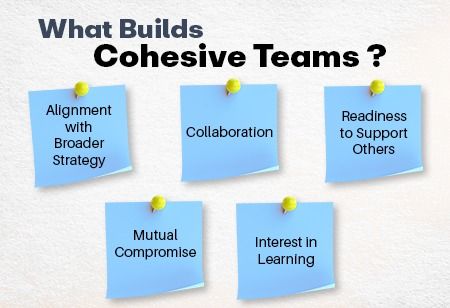
The focus must be on building cohesive, high-performing teams. Sometimes, a group of highly talented individuals can achieve less than a team of average-performing employees who collaborate effectively and work cohesively.
For exceptional team success, it's essential to have smooth collaboration, mutual respect, and the readiness to support others without seeking recognition.
Managers and trainers responsible for creating exceptional teams possess the skill of looking past just credentials or statistics. They pose queries that uncover how individuals deal with disagreements, ambiguity, and setbacks. They search for signs of emotional awareness, flexibility, and a sincere interest in learning.
Most critically, they determine if a person can excel in their unique setting and not just in any high-achieving atmosphere. Leaders must first gain a thorough understanding of their individual situations.
What obstacles is this team likely to encounter?
How do team members typically react in high-pressure situations?
In what areas do existing team members perform well, and where do they find it difficult to succeed?
Achieving a clear understanding allows one to pinpoint the areas that, when addressed, enhance the entire team's performance.
One key aspect of effective leadership is avoiding the urge to replicate their own traits in others. Exemplary teams are those that combine a variety of viewpoints, approaches to tasks, and cognitive styles. When diverse ideas converge, they can lead to productive disagreements that encourage creativity and shields against uniform thinking. However, this benefit is realized only when leaders actively foster an environment of trust and ensure that everyone has a voice in decision-making.
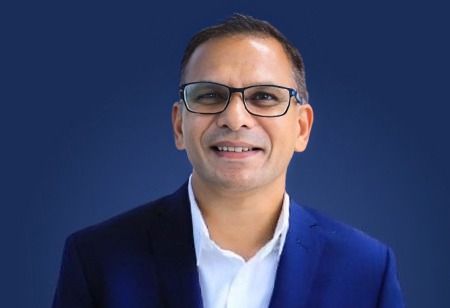 This idea is especially relevant in today’s technology-driven workplace. Tech-founder and business leader with 25 years of experience, Raghu Pareddy, CEO & Founder, Wissen notes that high-performance cultures emerge when organizations combine technical excellence with human-centered leadership.
“From my experience, building a high-performance culture is essential to make employees feel valued, trusted, and inspired at work. In today’s AI-driven world, organizations that successfully combine strong engineering talent with empathy, collaboration, and adaptability will be the ones that build truly resilient and future-ready teams,” says Raghu.
Empowering Teams Through Shared Leadership
Traditional hierarchical leadership models are largely ineffective for achieving organizational growth. Leaders need to distribute leadership responsibilities across the company to enhance team performance, which involves generating various sources of initiative, problem-solving capabilities, and accountability.
Each individual, whether a key player or a support member, is relied upon to take charge of their specific tasks and perform them for the benefit of the group. This environment of responsibility and confidence fuels the team's success, demonstrating that when each person dedicates themselves entirely to their duties, the collective effort yields greater results than any single person could achieve on their own.
Also Read: Ravdeep Singh: From HR Leadership To Technological Transformation
Shared ownership necessitates having internal mechanisms for effective coordination and alignment. When multiple leaders work in isolation without common goals and shared responsibility, chaos may ensue. To prevent this, successful teams establish clear points of contact, defined escalation routes, and open communication regarding priorities.
For consulting and management leader, Mohith Mohan, CEO and Founder MOAR Advisory, sustainable performance cultures are built gradually through trust, empowerment, and shared ownership.
“Great leaders understand that high-performing teams and cultures are not built overnight. They are constructed, layer by layer, like a building designed to last, where the foundation is trust, the framework is purpose, and every wall, every decision made consistently over time, is what holds it all together,” says Mohith.
Exceptional leaders consistently prioritize the identification and nurturing of new talent. They entrust employees with challenging tasks to boost their self-assurance, establish supportive environments for leadership practice, and exemplify the behaviors they wish to see in their team.
Mohith adds that leaders who empower individuals and align them around a common vision create organizations that remain resilient even beyond the leader’s direct presence.
Moving from Resilience to Antifragility
To create teams that excel, real resilience goes beyond simply enduring difficult situations. It's about emerging stronger and more capable as a result of those experiences. The term 'antifragile,' introduced by author and risk analyst, Nassim Nicholas Taleb Nassim Taleb, refers to systems that not only withstand disruptions but actually become more robust because of them. Antifragile teams thrive and improve from the challenges they face.
Antifragile teams use challenges as opportunities to improve communication, refine decision-making, and strengthen collaboration. Instead of merely recovering from setbacks, they adapt and evolve through them.
Why High-Performance Cultures Require Long-Term Commitment
Creating an environment focused on high performance demands a significant amount of drive, foresight, and bravery, especially for organizations already doing reasonably well. If everything seems to be running smoothly, leaders question the need to make changes?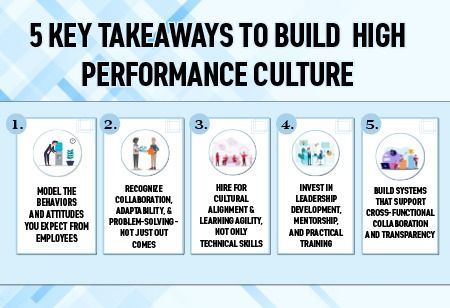
This mindset often signals complacency, a warning that decline may already be approaching. Therefore, aiming for high performance is always the wise choice. It's important to note that cultures don't spontaneously transform or alter on their own.
Transformation doesn’t happen instantly. High performers gradually cultivate their skills and expertise through consistent and methodical efforts over a long time.
Moreover, success in this area often requires significant investments in the organization. A solitary "process excellence office" or "Lean office" won't meet the needs, nor should the establishment of a high-performance culture and related resources be left to individual leaders' whims.
Leadership Checklist for Building a High-Performance Culture
✔ Model the behaviors and attitudes you expect from employees
✔ Encourage open communication and psychological safety
✔ Recognize collaboration, adaptability, and problem-solving — not just outcomes
✔ Hire for cultural alignment and learning agility, not only technical skills
✔ Empower employees with ownership and decision-making responsibility
✔ Invest in leadership development, mentorship, and practical training
✔ Build systems that support cross-functional collaboration and transparency
✔ Regularly assess whether company values match everyday workplace behavior
✔ Reinforce trust through consistency, fairness, and visible leadership actions
Closing Thoughts
Building a strong organizational culture may be a lengthy endeavor, yet the benefits start appearing right from the get-go. These advantages increase significantly over time as the organization becomes more adept at adapting to shifts in the market and economy.
High-performance cultures are not built through slogans or isolated initiatives. They emerge when leaders consistently model trust, accountability, adaptability, and shared ownership. In an increasingly uncertain business environment, organizations that invest in culture will be better equipped to innovate, retain talent, and sustain long-term success.