

Reinventing Facility & Asset Management for Business Growth
Facility and asset management is evolving from being a support function to emerging as a strategic contributor to business performance. Effective asset management enables organizations to maximize asset utilization, extend equipment lifespan, reduce maintenance costs, improve compliance and minimize operational risks.
For India’s manufacturing sector, these priorities are particularly important as organizations focus on operational continuity, cost optimization, sustainability and productivity. The growing adoption of AI, IoT and predictive maintenance is further improving visibility into asset performance and enabling businesses to address potential issues before they affect operations. However, technology alone cannot deliver results without skilled people, clear processes and consistent execution.
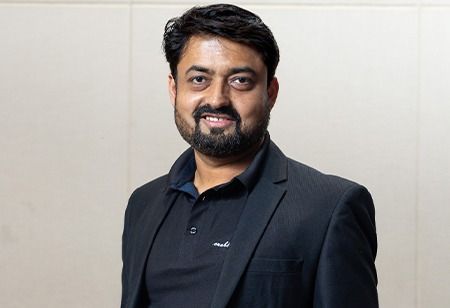
In an exclusive interview with CEO Insights, Bhupendra Jha, CEO, ICM & Nibble Food Services, shares his insights on the evolving facility management landscape, emerging technologies, industry challenges, sustainability and the capabilities needed to drive future growth. Bhupendra is a strategic business leader, entrepreneur with over 12 years of experience.
Read the following interview to get deeper insights about the evolution of facility management and asset management.
Q1. How do you see facility and asset management evolving from a support function into a strategic contributor to business efficiency and long-term performance?
A. The way businesses look at facility management today has changed. It is no longer just about keeping a facility clean, functional and operational. A poorly maintained facility can affect productivity, increase costs and, in some cases, disrupt business operations. That is why companies are paying more attention to how their facilities and assets are being managed.
There is also a greater need to bring different services together instead of managing maintenance, engineering, housekeeping and other functions separately. When there is better coordination, it becomes easier to identify problems, manage costs and maintain service standards.
Asset management is also becoming more important because companies want to get better value and longer life from their infrastructure. Facility management may still sit behind the scenes, but its impact is very visible in the way a business operates. That is where the role is changing — from simply managing day-to-day requirements to contributing to the efficiency and continuity of the business.
Q2. What are some of the key facility management challenges currently facing India’s manufacturing sector?
A. For manufacturing, continuity is probably the biggest concern. A facility must function reliably because even a small disruption can affect production. At the same time, facilities are becoming more complex and require people with the right technical skills to manage them. Finding and retaining skilled manpower is therefore an important challenge. Maintenance is another area that needs more attention. There is still a tendency in some cases to deal with equipment only when something goes wrong. A more regular and preventive approach can help avoid breakdowns and unnecessary costs.
Energy consumption is also being looked at more closely, both from a cost and sustainability perspective. Another challenge is managing different vendors and services while keeping accountability clear. There is no single solution to these issues. It comes down to having trained people, clear responsibilities, regular checks and good planning. Technology can support these efforts, but the fundamentals of facility management still matter the most.
Also Read: 10 Indian Solar Manufacturing Leaders Shaping India’s Renewable Energy
Q3. How are technologies such as AI, IoT, and predictive maintenance changing the way organizations manage their facilities and assets?
A. The biggest change technology is bringing is better visibility. Earlier, a lot of facility management depended on physical checks and responding when something went wrong. With IoT and connected systems, information about equipment and facilities can be available much sooner. Predictive maintenance can then help identify when an asset may need attention before it breaks down. AI can be useful in making sense of this information and identifying patterns over time. But technology should not be adopted simply because it is available. It must solve a real problem.
The people managing the facility still need to understand what the data is telling them and take the right action. That combination of technology and operational experience is what makes these tools useful. Over time, these technologies can help reduce unexpected breakdowns, improve maintenance planning and give businesses a better understanding of how their assets are performing. The focus should be on using technology where it makes operations simpler, faster and more reliable.
Also Read: Beyond the Kitchen: Why Food Safety Is Now a Hospitality Leadership Priority
Q4. How can integrated facility management help manufacturers improve operational efficiency, asset performance, and cost optimization?
A. In a manufacturing facility, everything is connected. Maintenance issues can affect production, energy use can affect costs, and poor coordination between service teams can create delays. An integrated approach helps bring these functions together and gives the organization a clearer picture of what is happening across the facility. It also makes accountability easier because responsibilities are clearly defined. Regular maintenance and monitoring can help keep assets in better condition and reduce avoidable breakdowns.
There are cost benefits as well, particularly when manpower, vendors and resources are planned properly. But cost optimization should not be about cutting services or compromising quality. It should be about removing inefficiencies and getting better value from what is already being spent. For manufacturers, where downtime can be expensive, even small improvements in maintenance and coordination can make a meaningful difference. The value of integrated facility management lies in bringing these different pieces together and making day-to-day operations easier to manage.
Also Read: Food Safety in Quick commerce: The New Leadership Challenge
Q5. What role can facility management play in helping manufacturers achieve their ESG, sustainability, and compliance goals?
A. A lot of sustainability work happens at the facility level. Energy and water consumption, waste management and the way equipment is maintained all have an impact on an organization’s sustainability goals. Facility teams can monitor these areas and make sure that good practices are followed every day. Energy and water wastage, for example, can often be reduced through better monitoring and operational discipline.
Maintenance also plays a role because equipment that is not maintained properly can become less efficient. Compliance is another important responsibility, particularly in manufacturing, where safety and statutory requirements cannot be overlooked. Regular checks, proper documentation and following prescribed processes are part of keeping a facility compliant. ESG should therefore not be treated as something separate from operations.
It has to be built into the way a facility is managed. When these practices are followed consistently, they can support sustainability goals while also helping businesses manage their resources more efficiently.
Q6. Looking ahead, how do you see India’s facility and asset management industry evolving, and what capabilities will be critical for future growth?
A. The industry is becoming more professional, and client expectations are changing along with it. Nowadays, companies expect more than basic facilities. They are looking for better visibility, accountability, service quality and control over their operating costs. Technology will become a bigger part of this, particularly for maintenance, monitoring and managing assets. But the importance of people will not go away.
Facilities may use more technology, but there will always be a need for people who understand the systems and can deal with issues on the ground. Technical skills and training will therefore become increasingly important. There will also be greater focus on measuring service performance rather than simply completing tasks.
For the industry, the opportunity is to demonstrate the business value of good facility management — whether through better asset upkeep, fewer disruptions, efficient resource use or better service delivery. The fundamentals will remain the same: good people, clear processes and consistent execution. Technology can strengthen these fundamentals, but it cannot replace them.